 Edited Dec 2014 after I watched a second time and noticed how jaw-dropping the sound design is; sometimes the beauty of images, and the fact that film is a primarily visual medium, distract from the wondrous world of noise.
Under the Skin opens with several minutes of film boiled down to its pure essentials: sound and image. Quite literally, the film begins on an impenetrable warble that morphs into a drone, with a mouse of a light at an eternal distance from us and moving ever-forward. It grows blinding as the noise distracts and unnerves us further, before the abstract light becomes an eye – the very means by which we process images, all the more telling considering the way what precedes this eye favors sound at the expense of image.
We then get an archly, inescapably clinical white canvas upon which a person we know nothing of (Scarlett Johansson) walks around another person, observing her with no sound, and taking off her clothes – the scene is not the least bit erotic, nor does it contain any other semblance of emotion whatsoever. It is instead a pure ballet of motion, obsessed with the human form in movement, as well as everyday noises – pants sliding off of legs – which are loudened to unnatural levels, registering a kind of intimacy that is intoxicating but also uncomfortably alienating. It is a wondrous display of pure cinema, and in its supremely naturalistic but deeply abstract detachment, it fails to give us any particularly mimetic information, any reasonable grounding in the world around us. In doing so, the opening paradoxically turns no emotion into perhaps the ultimate emotions: detached fascination curdles into inescapable abjection and truly abyssal dread. Continue reading →

 Updated mid-2015
 Edited and Updated Mid-2016
 Were you expecting maybe Bugs Bunny? So we arrive at 1972, not nearly the best year in the American New Wave, but the year with the release of the most famed film to call the time and place home. Yes, The Godfather is a classic piece of American cinema and a great film in its own right. I’ll maintain a certain confusion as to its status as the most loved of all American films (only rivaled by Citizen Kane and Casablanca). It’s undeniably stellar, but there is a mighty space on the couch between very great and quintessential, and I’ll leave the discussion with that. Mostly, it’s just a film that so much has been written about, I do not feel I can add anything meaningful (not that such a pesky thing has ever stopped me before, but I’m not above bad excuses).
 This being the first in a month-long film noir review series.
 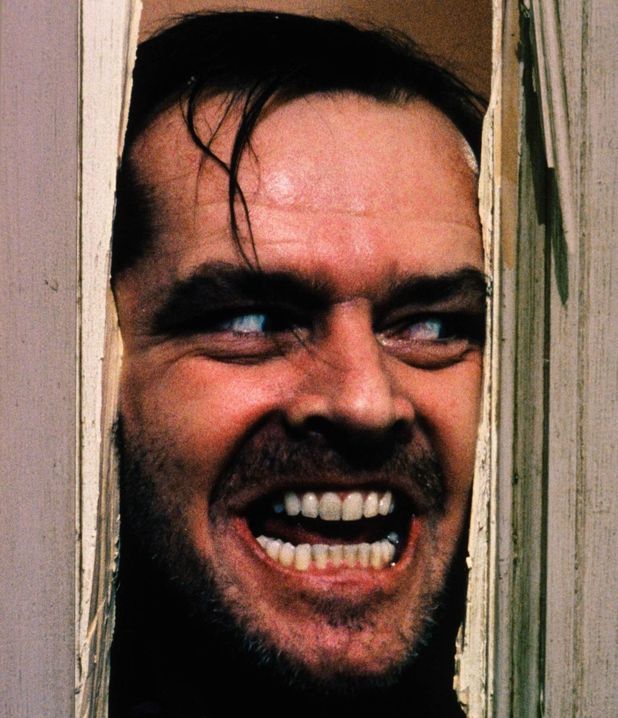 Updated mid-2015
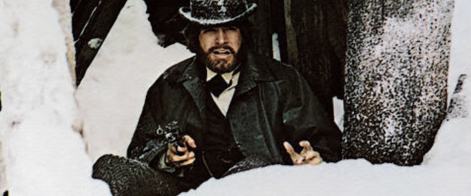 Edited and Updated 2016
 This being the first review for the month of September during the “National Cinemas” project, and thus the first review in a month-long exploration of German cinema. It seemed only appropriate to go with the best film by Germany’s greatest living filmmaker.
  Edited
 Unforgiven is about as gutsy and ravaged a film as you’ll find from a mainstream American director, a work which not only deconstructs a genre of film but the filmmaker’s entire career. It’s seeped in merciless violence, but as much a violence which occurred decades before the film begins as any violence which occurs from first reel to denouement. It rolls over the arid hills of the American West, bathed in a dark, ominous red of the blood done in the past but which refuses to be forgotten. With Unforgiven, Eastwood not only tears down the violent core of America’s past, but he has a few choice words for the gaze we place upon violence in modern society. We’re fascinated with it. And Eastwood, a man whose career was built on celluloid violence, knows this well. He runs us through the wringer with quiet, elegiac visual poetry which provides us with a dreamy, mythic Western landscape and that turns out to be a nightmare clinging us to our past. This is cinema of implication, with Eastwood questioning whether we can ever break from the horror-show of the Western genre and underlining his question in blood-red strokes.
