
 Generally speaking, the most striking cinematic Shakespeares are those that are the most strikingly cinematic. As a rule, hewing close to the stagebound play is a recipe for neutralization when delivered in a cinematic vessel. I wish no schadenfreude upon the Shake man himself, but arrant verbosity in a visual medium, especially in an adaptation of a play, is a harbinger only of a filmmaker’s belief that the almighty play is sacrosanct and immutable. A real artist instead uses the broad strokes to unpack the play as a palimpsest with lingering vestiges of theatrical memory interacting with modern themes and motifs to construct something new, bold, and visionary. If you love something, leave (most of) it alone. Pick out the necessities and find a new voice, your own voice, with it. Continue reading
Review: Macbeth
Leave a reply
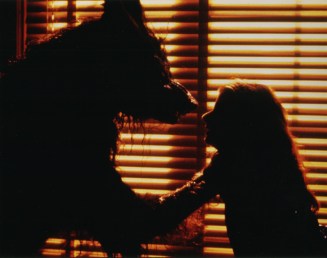 Writer-director Joe Dante is pop culture dead weight today, but in the mid ’80s he was the zeitgeist. A progenitor to the highfalutin sub-horror irony of Scream and a cornucopia of too-scared-to-admit-they-are-horror films in the intensely glib world of ’00s horror, Dante’s brand of irony was much less prone to the fraudulence of incessant hedging. His earliest films, Piranha and The Howling, upend horror tradition without fecklessly resorting to ingratiating pleadings of blasé, sycophantic self-superiority. They rib and tickle, but they’re also honest-to-god horror films, as marinated in tenebrous cinematography and bone-rattling sound as any films of their time. They tease us, but they do not trick us: they mean what they say, and they bite.
  Blazing Saddles
 I’ve decided to post shorter reviews of various films I’m seeing for the first time via courses I’m enrolled in.
  Elaine May’s career-ending 1987 blockbuster social tract Ishtar, a lopsided work of equal parts monomaniacal egomania and bracingly scabrous anti-masculine comic commentary, has spent the better part of a decade being partially rescued by youthful, revisionist film critics. Now, that film’s partial reappraisal is arguably unearned; its phenomenally sardonic first half is mostly undone by an untethered, obsessively messy back portion that sees May woefully incapable of handling the ridiculously inflated budget of the production. It feels like wishful thinking to lump it in with the equally voluminous anti-American critique of Western iconography that is Michael Cimino’s much more deserving masterpiece Heaven’s Gate. But if reappraising Ishtar is a necessary casualty to resurrecting Elaine May’s bracing back-catalogue, then so be it. She remains responsible for a number of the lost masterpieces of American cinema, a cadre of the best films released in arguably the most impressive decade for the nation’s cinema.
  With the release of The Witch imminent, let us look back at another famous horror film to rely on witches, however indirectly, to go bump in the night.
 With the imminent release of The Witch upon us, let us look back at another famous movie with a villainous witch.
 A weekend into its release, the mostly loose-limbed Deadpool is certifiably an accidental but genuine pop-culture zeitgeist-defining event rather than the belated cult classic it would have been at any other time in history. One can only predict the ripples of the film’s success, but some cause for celebration erupts. So many superhero movies – Christopher Nolan’s elephantiasis-prone Batman films not least among them – are content to cart around the depressive husks of their beings, especially over the past decade of glum, operatic, tortured superheroism. In this light, Deadpool represents a more manic, cheerier alternative to the doldrums of the self-imposed superhero funeral we’ve been undergoing since the genre supposedly “matured”. But it also suggests a more classical spirit: that being a superhero might, dare one say it, be fun.
  Fitting for a film about conviction and the inclement weather that tests it, Hail, Caesar! ought to wash away any and all false prophets proclaiming visions of the Coen Brothers’ malfeasance and sociopathic hatred for mankind. Cynicism is their tool, and their films are prone to a particular brand of withering sociopolitical critique, but the two writer-directors are, and have been, expert stegenographers for the better part of three decades now. Hiding in plain sight in almost all of their films is a stress-tested but never broken love of both the sweeping grandeur of cinema and the gnomic bits of dogmatic human persistence undercutting the seemingly abusive, surrealist death and destruction sometimes at play in this universe of ours. There’s is a scabrous, sometimes maladjusted brand of humanism, but the Coens are humanists nonetheless.
