 Jurassic Park saw classic ’80s blockbuster entertainment give way to the even sheenier, crisper branch of corporate ’90s filmmaking (very similar to ’80s blockbuster filmmaking, but much more interested in pushing the intersection of destruction and technology to its limits). For this reason, we find ourselves at a particularly strange place as we float on by 1993 and into the dark depths of the mid-90s. Cinema was only growing more indulgent, but the strain of American indies that had given light to the darkness of 80’s dramatic cinema was now entering its brightest stage of popularity and ubiquity. With corporate genre tentpoles and the distinctly dirtier world of ’90s indie filmmaking rattling around in a sort of cesspool, the two streams couldn’t but be crossed sooner or later.
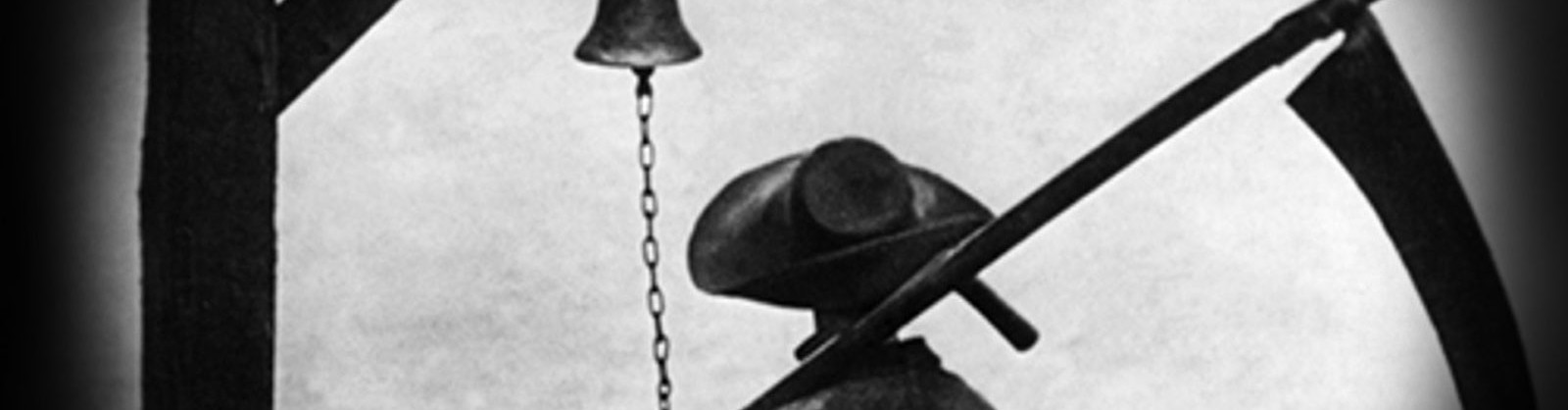
It is with this that we arrive at 1994’s The Crow, an unlikely candidate for a ’90s blockbuster, but an important cult film nonetheless and a work which reveals the presence of a particular strain of ’90s filmmaking for all to see: the intersection of indie style/indie awareness of film history with the monetary aspirations of a blockbuster and the general desire to be things like “entertaining and actiony” to teenage males. If anyone needs more evidence as to this film’s peculiar placement in film history: it was released by Miramax films, the independent cinema distribution studio operated by the Weinsteins, right at the cusp of their becoming the film distribution company du jour throughout the back half of the ’90s. Indie cinema was being re-purposed into something corporate, and danger was assimilating into safety. Continue reading
 Buried
 Just when I’d gotten over using “new” films for the weekly Midnight Screenings column, a film had to come along that would have been unethical to put anywhere but in the halls of the Midnight Screening. Next week we’ll return to older films, with an especially fitting two-fer of classic ’70s efforts important to the development of the Midnight Screening idea in real life and not simply on the internet. It promises fun, but in the meantime just check out that movie poster to the left. Seriously, even if you don’t read the review (which you absolutely should, if I have anything to say about it), just bask in the look of that poster. It speaks for itself.
  An attentive, quick-witted potboiler with the physical mechanics of a fine, boisterous thriller matched to the mind of brash, brutal critique of inspirational dramas, Whiplash, Damien Chazelle’s full length version of his award-winning short film on the same subject, is a fierce and frenzied treat for the late 2014 movie season long lulled into a drowsy, seemingly endless sleep by milquetoast Oscarbait. That it isn’t quite as good as its now-rampant fanbase suggests is definitely noticeable, but that does little to distract from its pent-up, thoroughly-agitated charm and vicious, viscous frustration.
  Many have gone out to bat for Foxcatcher’s particularly dour format of carefully positioned gloominess, and they are right to focus on the film’s meticulous craft. It’s a stolid, compartmentalized film, assured and close to perfectionist in its specific, highly detailed character, its rigid delineation of human frailty, and its formal precision backing up an intentionally cold-and-clinical dissection of American inequality. Grotesque millionaire John Du Pont (Steve Carrell) fancies himself an American hero and plays with Olympic wrestler Mark Scultz (Channing Tatum) from beginning to end, but director Bennett Miller would not have you think of it as play. Through his eyes, the film is as detached and despondent as humanly possible, perhaps fitting for the films’ themes of mechanical people sleepwalking their way through life with bored non-momentum. Yet style and story clash and never occupy the same film, smothering clinical precision with the film’s weepy, drippy “important story” narrative and sacrificing the sweat and spit of genuine emotion for a staid waxworks show. Foxcatcher is a perfectionist film, but it gives perfectionism a bad name.
  Although the material, and director Pablo Lorrain’s muck-racking credentials, would beg to differ, No is no glum, morose drama. Far from it, in fact. It takes a shot of endorphins and battles the lows of the human experience with the highs of sharp, provocative filmmaking and an effervescent not-so-dark comic streak, tackling a serious subject and having a small, self-contained blast doing it. Kudos to Lorrain for following in the spirit of his main character and infusing politics with spunk and pizzaz, even if he runs into a few queasy moral calms along the way.
 Ernest and Celestine
 Rob Zombie is not a particularly nuanced filmmaker, but then nuance isn’t everything. Sometimes, a parade of bravura, shoot-for-the-gutter images and sounds is all you need, and if nothing else, The Lords of Salem is a fairly stunning little devil of images and sounds lined up for us by the naughtiest ringmaster this side of Italian giallo. After all, and at the risk of sounding too classicist, early cinema was nothing more than a parade of images to amuse and titillate, to vex and induce wonderment, and to distill and massage emotion out of the purity of look and feel. Those were the wild years of cinema, a period of looking to the future. Of course, Rob Zombie, here and always, looks to the past. But in it he finds something no less woolly, no less feral, and no less sensitive to the primitive power of feverish film imagery at its most direct.
 For Steven Spielberg, 1993 was his real coming out. Before-hand, he was one of the most important filmmakers in American cinema, one of the few bright spots of the turgid ’80s. But after 1993, he was a god among filmmakers, and a clear genius of intent, if not necessarily execution, for striving to cover all bases in the world of populist directing. He took advantage of the year to stake out a personal trend for himself, releasing one would-be pop cultural touchstone and, perhaps prefacing any concerns that he was too focused on special effects and teenagers and not making “serious” films, a hearty, honest-to-god crippling drama to go with. In fact, he’s taken up this path time and time again (monstrous success also breeds complacency and getting stuck in a rut of one’s own release strategy and production style). Most recently, 2011 brought us the schmaltzy Oscar-bait of War Horse and the animated The Adventures of TinTin. 2005 saw the criminally underrated expressionist nightmare of a disaster movie War of the Worlds and the politically ambiguous morality tale Munich, and in 1997 came stuffy historical drama Amistad and a serious case of sequelitis in Jurassic Park 2: The Lost World. Still, expectations beget expectations, and gifts give way to curses; what he accomplished in 1993, at least in terms of pure commercial and critical success, he never equaled again.
  The Long Take