
 Neoliberal American aimlessness is recoded as anticipatory national fantasy in Rambo: First Blood Part II, a film that both thoroughly disgraces the legacy of its progenitor and perversely fulfills the dormant desires which may have animated many viewers’ affection for the original character. That original film envisioned Stallone as a bruised dog. He was as inarticulate as any of his other characters, but his motor-mouthed struggles were construed less as a function of a screenplay disconnected from humanity (as in, say, Cobra) and more as a theme: the result of a nation and a man unable to vocalize their severe trauma and societal disaffection. The original First Blood, then, was a fairly doleful thriller about unmet expectations, a thoughtful meditation on American lapses that framed the US’ involvement in Vietnam as a national aporia that not only chewed out and spit up the soldiers but cast the whole nation adrift, leaving it to wander a moral wilderness.
Out of the many early ‘80s action films that dissected the corpse of the Vietnam war in one way or another, one would be hard-pressed to pick that Stallone vehicle as the likeliest candidate for a sequel of any caliber, let alone the sequels we received. There’s no obvious commercial reason why First Blood became the basis for its sequels, excepting perhaps Stallone’s success in another role in another franchise that had undertaken a similar rightward trajectory: the disaffected populist working-stiff boxer who had, with America’s rightward drift, metamorphed into America’s new Great White Hope capably defeating both black and Soviet enemies. Within the span of a few years, Stallone was no longer a cipher for a wayward everyman but an icon for American ego-boosting, the latent whiteness of his characters’ populism suddenly on full display as he became an American avenger. Continue reading
 Many self-consciously “weird” motion pictures expend energy and time establishing a stable sense of cinematic self that they will only then destabilize later on, tweaking the style several notches south of sanity as the film progresses. Horrors of Malformed Men lathers the surrealistic absurdity on thick from the first shot. It introduces us immediately to a thoroughly dismembered reality, a cinematic hall of mirrors that finds us wandering into a B-movie and discovering a metaphor for Japan’s mid-century dreams of paternal control, familial destiny, and authoritarian anxiety, all (appropriately) malformed into a kaleidoscopic nightmare. The subject of the cinematic allegory? Deluded men working at any cost to recreate their lineage and preserve the fragile illusion of a linear, biologically-sanctioned family hierarchy.
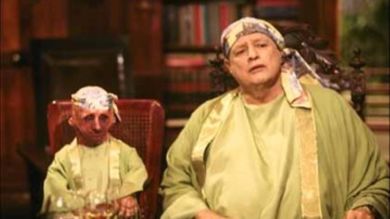 In honor of the release of Colour out of Space, the new Richard Stanley-Nicolas Cage-HP Lovecraft film (what a wonderfully demonic cinematic Cerberus that is!), I decided to look back at Stanley’s last film, a full 23 years ago. Let us hope that his new attempt at channeling the deranged spirit of century-old pulp literature and tearing open and excavating the most demented corners of the cinematic void don’t render him victim of that void, unable to find his way back, for nearly a quarter-century, like they did last time.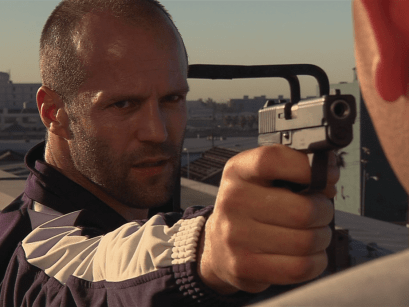
 Bruce Lee is rather unceremoniously written-off in Quentin Tarantino’s new film, which I finally saw and thought was otherwise terrific, but it seemed a little counter-argument was necessary for Midnight Screenings this week.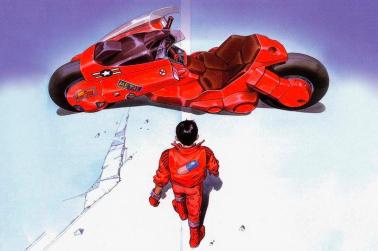
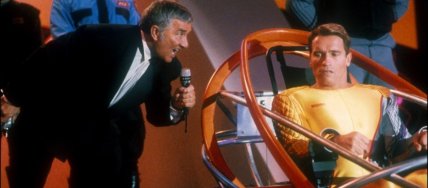 It’s been a while since I’ve done these Friday B and/or cult movie reviews, and I’ve decided to return with two dystopian films set in the year of our Lord 2019, offering visions of THE FUTURE that may or may not have come to pass.
  One might think TCM2 is an obvious proposition: director Tobe Hooper attempting to escape the dark days of artistic poverty known as the ‘80s by returning to his most demonic days, forging a communion with the film devil and resurrecting the zombified corpse of his most famous film, The Texas Chainsaw Massacre. But TCM2’s is no sycophant wearing its father’s clothes; more like a renegade fugitive dressing up like a horror film to throw the authorities off its trail. It is its predecessor’s polar opposite, as overt a case of a cinematic progeny rebelling against its parent with youthful indiscretion as the medium has ever birthed. Anticipating the devil-may-care comic mania of The Evil Dead 2 with as much brio but much less skill, Tobe Hooper’s sequel to his most famous film at least deserves points for attempting – rather openly – to misdiagnose its predecessors’ successes and run around in its own bizarre head-trip version of the original. An overt comedy, the film’s combustible zaniness is spirited even if it isn’t really inspired, and it sometimes feels like a colossally misjudged entity that is worth seeing only for the courage with which it misjudges itself. The quasi avant-garde set design and the ludicrous, anarchic disinterest in conventional mood skeletons mark Texas Chainsaw 2 as a fugitive inferno of sustained weirdness.
 With the untimely passing of another horror icon, a quick look at a few of his films that aren’t *that one*.
 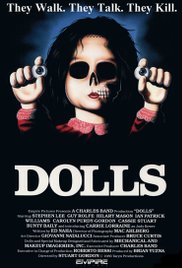 A new Annabelle sequel I haven’t seen is out; faced with the grim opportunity of reviewing its immediate predecessor, here is a much better killer doll film.
