
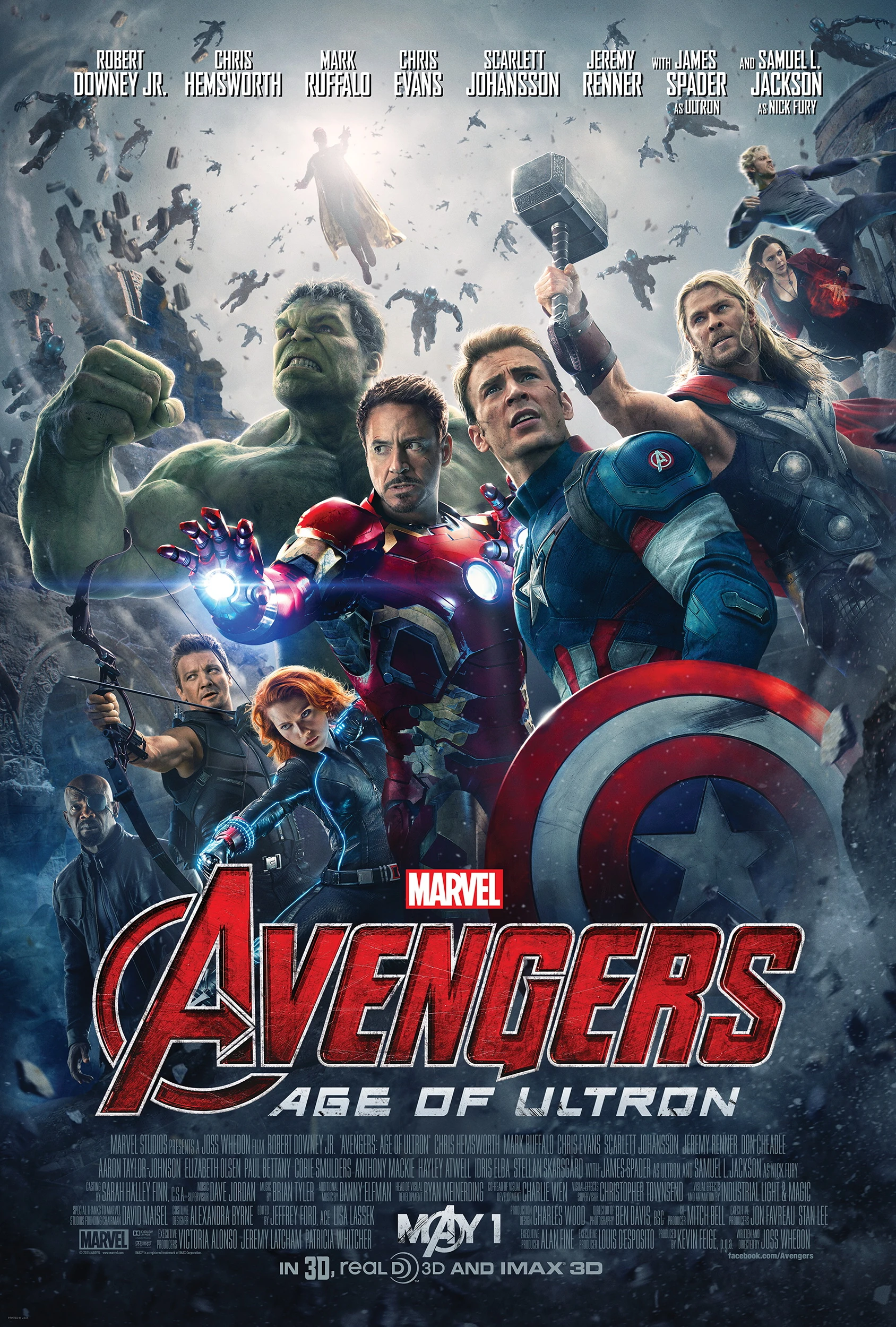
 The most enticing moment in Avengers: Age of Ultron is successful because it is so elusive, and it may very well be the worst moment as well. When it begins, we are informed that the titular superhero smack-down squadron and consummate bickerers are off to Africa. We know we are going to Africa because the characters essentially say “we are going to Africa”. Smash-cut to a helicopter shot of a derelict shipyard. We know this is a shipyard because there are ships. It is also, one would assume, on a coast line, for that is where ships tend to reside. At this point, everyone’s favorite quasi-military font appears in lower screen with text that informs us, in as many words, “Shipyard, Off the Coast of Africa”, in case we were wondering if the ships were, in fact, airplanes, or whether they were docked in Nebraska.
So hand-holding and inelegant this text is, and utilizing the form of on-screen text which is already the laziest and least elegant storytelling mechanism in all of cinema, that it almost must be an intentional self-parody. All of these big time beat-down films rely on techniques like these to show us a story happening, and then to doubt us, and then to tell us what is happening all over again in case our eyes had deceived us, as though we audience members in our infinite wisdom could not figure out in fact that the image of unmoving ships placed right after we are told “Africa” is in fact, an image of ships docked off the coast of Africa. It is a comic, delicious moment nearly avant-garde in its laziness. It’s the sort of moment that asks the mind to wander: “why is this text here? It is providing no new information anyway, but movies like this are supposed to have military text every time they change location, so if that is what you want, here you go…” Continue reading
 Ghost Rider: Spirit of Vengeance
 It’s been a couple weeks, so here’s a double-dip of classic cult comic book movies for you, and some prime so-bad-its-good filmmaking on both counts.
  While a somewhat unexpected choice at the time, in retrospect Sam Raimi was a perfect match to the goofy world of comic book fervor set up in Spider-Man. Taking a far larger budget than he’d ever worked with to create, of all things, a heavily marketed B movie, he ended up making one that works precisely because it is unabashedly in love with the fact that it is a B-movie, Snidely Whiplash-encrusted villain and all. While other films would come and go and do far more for comic book storytelling and character development in the process, Spider-Man does not bother with such trifles. For its whole running length, it is only itself, and it’s rather happy to be so at that.
  Edited
 Update 2018: I was skeptical of this film when it was released, but after having read the phenomenally astute political Molotov of a comic book of the same name, with its observations on state privatization and racial incarceration all folded into a 1981 critique of neo-conservatism and neoliberalism as fascism, the movie’s neutralized, domesticated politics and thoroughly un-transgressive social observations feel all the more banal and negligent.
 The Long Take