
This week’s pair of Midnight Screenings will return us to the far-flung past of 2006 and 2007, a more innocent time in film history …
It is quite possible that Richard Linklater is the only currently functioning director who really could have directed A Scanner Darkly in the fidgety, twitching tone it so desperately begged for, and thus it is a little bit of magic that he managed to acquire the film at all. Firstly, this is because Linklater, the homegrown Texan with an eye for slacker culture and the distance imparted by time and memory, strips away the science fiction trappings from Phillip K. Dick’s story and renders it all the more pressingly intimate in doing so, without ever sacrificing the essence of the novel about drug abuse and melancholic social anomie. Which is itself important; so many science fiction films rationalize themselves by claiming they are necessarily informing us about the weight of a current world crisis, but as many other Dick adaptations show us, they frequently devolve into glorified techie action flicks. The science becomes a diaphanous masquerade, a meager attempt by a film to convince its audience of its intelligence when it offers nothing but pyrotechnics and quasi-futurism. Linklater doesn’t need a trip to the future; he creates a piercingly grounded tale about trips of a different variety. Continue reading
 Iron Man 2
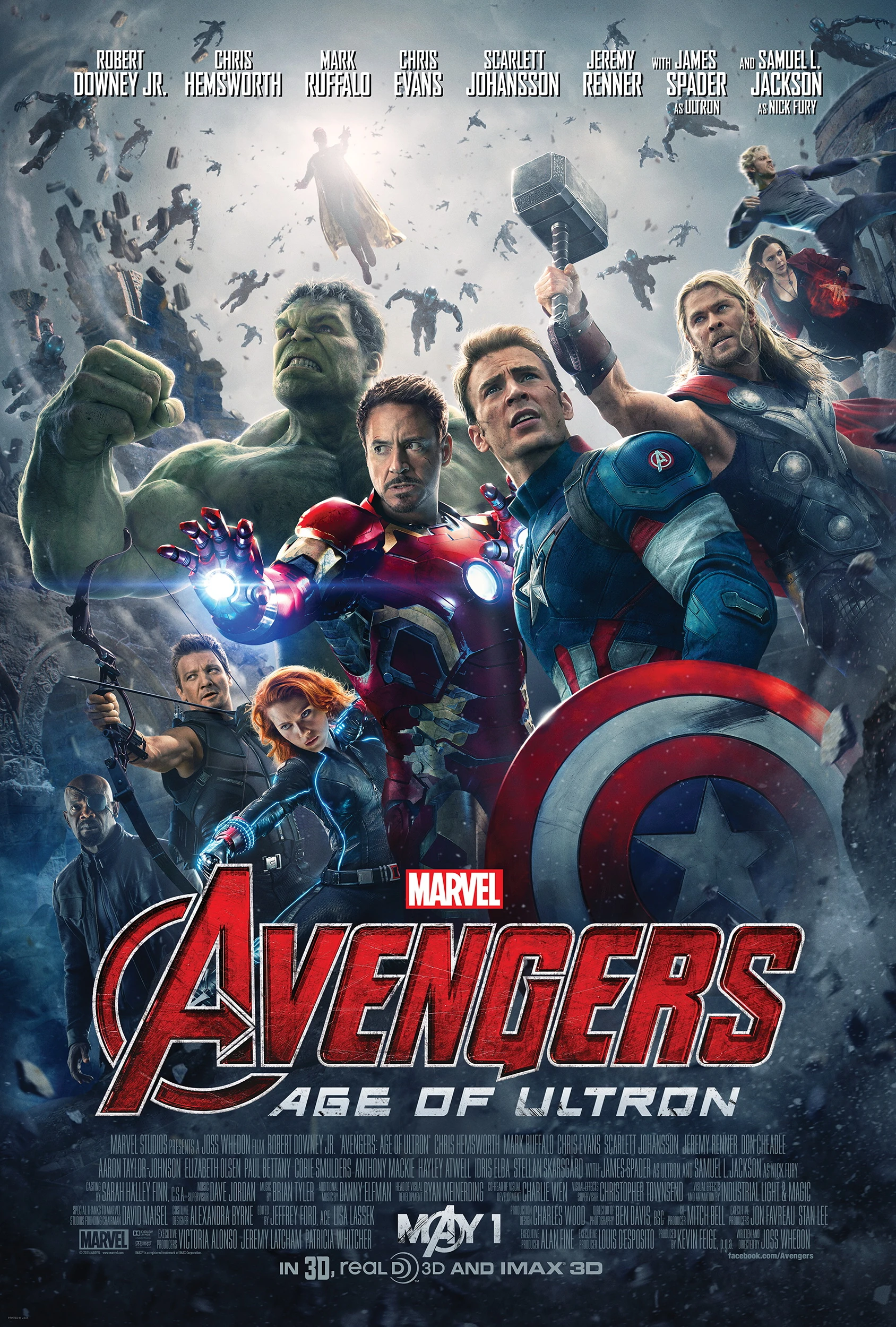 The most enticing moment in Avengers: Age of Ultron is successful because it is so elusive, and it may very well be the worst moment as well. When it begins, we are informed that the titular superhero smack-down squadron and consummate bickerers are off to Africa. We know we are going to Africa because the characters essentially say “we are going to Africa”. Smash-cut to a helicopter shot of a derelict shipyard. We know this is a shipyard because there are ships. It is also, one would assume, on a coast line, for that is where ships tend to reside. At this point, everyone’s favorite quasi-military font appears in lower screen with text that informs us, in as many words, “Shipyard, Off the Coast of Africa”, in case we were wondering if the ships were, in fact, airplanes, or whether they were docked in Nebraska.
 2008’s Tropic Thunder, while far raunchier and more overblown, is the closest mainstream American cinema of the 2000’s has come to its own Sunset Blvd. While it was marketed as something of a comedy poking fun at war movies, that is only true by technicality. The narrative of the film, as such, has the movie stars making a war film let loose in the jungle where they must 1. survive, but more importantly, 2. battle their egos and the fact that their struggle isn’t just a test designed to help them work as a team in the name of making a better movie. If it pokes fun at war movies, that’s because the film is primarily a mockery of the filmmaking process at large, and more specifically, the actors, producers, directors, agents, and everyone else in Hollywood who combine limited skill with limitless, towering, monumental egos.
  Iron Man
 Edited
 The Long Take