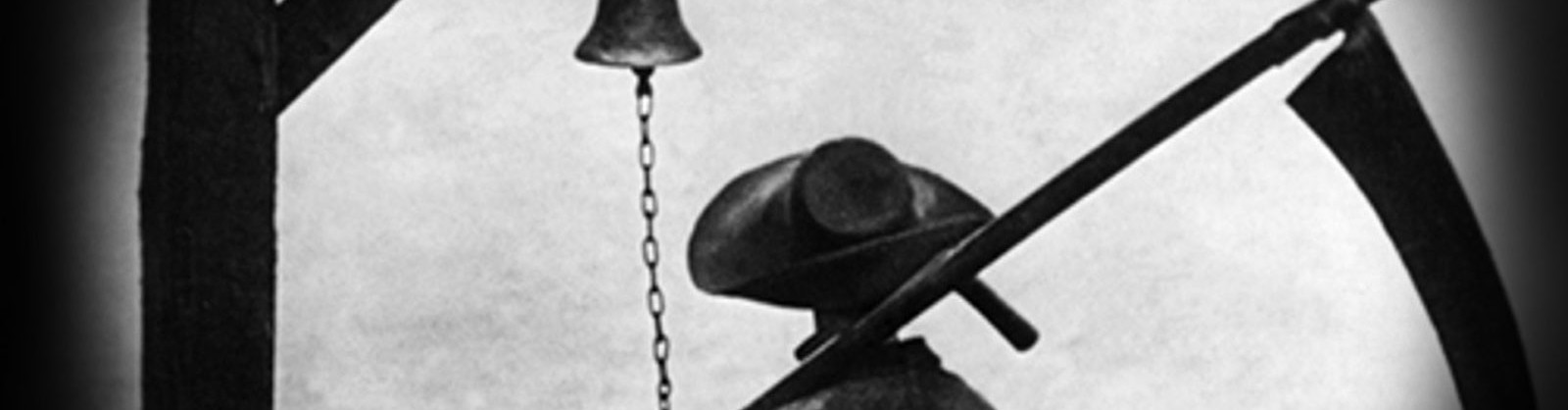
 Othello should not exist. Not William Shakespeare’s venerable play, one of the great tone poems to dueling egos and wanton desire filtered not through hero and villain but split personalities tearing each other apart until neither can have what they want. But Orson Welles’ Othello, a work of ramshackle, stitched-together genius if ever humankind has produced one. It isn’t Welles’ greatest film, but it is likely the surest explanation of his unmatched gall, of his unending sweat, and of the limits, or lack thereof, of his genius.
Of course Welles the poster-boy wunderkind of Hollywood splendor, given full control over the powers that be to unleash his vision on the world, could release a masterpiece. Citizen Kane, Welles’ first film, and the first of many to serve as parables of his own brilliance and folly, was practically bred to be a work of unparalleled craft. It was almost an ordained masterpiece from its very inception; Welles had the hounds of Hollywood at his feet. An achievement, sure. But with Othello, he unfolded a masterpiece in piece-meal fashion, without anyone’s help, desperately working to clot the blood of a film barely stapled together with odds and ends over years of stilted, stuttery production. Nothing more could showcase the singular auteurism, the singular genius, and the singular madness of Orson Welles. This film is his ultimate statement of “my way or the highway” determination. Continue reading
 George Miller really wanted Mad Max: Fury Road. The back-story, the thirty year gap between Fury Road and its predecessor Mad Mad: Beyond Thunderdome, and the troubled, stop-start production for Fury Road itself all conspire to tell us this much. The beauty of the resulting film is that this back-story is both instantly extraneous and essential to unlocking its mysteries. All the hurt, all the torment, all the passion to release that which had been denied to Miller; all are instantly identifiable on the screen, but the film speaks for itself. Right before it blows your head off, but that is the Miller way. After releasing two extraordinary vehicles for tactile, sand-encrusted action under the Mad Max name, he went Hollywood and lost his edge with the third feature, the one whose biggest addition was Tina Turner. He spent the ensuing thirty years intermittently pursuing his craft in often stellar family films to recuperate, but his heart was elsewhere.
  Update late 2018: After a Halloween rewatch, I stand all the more in awe of Fulci’s truly irrational editing scheme and his almost unholy skill not simply dropping us into an unraveling narrative but demolishing the presumption of rational sense-ordering in horror to begin with. The Beyond remains a truly scrambled, egg-beaten (or brain-beaten) perceptual experience, even in the already demonically playful realm of giallo-inflected fear, let alone the wider horror genre.
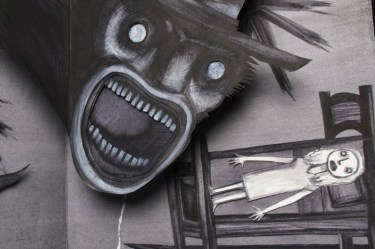 I apologize for the temporary absence of the weekly Midnight Screening from this blog for the better part of the month of November. I was too busy elsewhere and found myself too distracted with other reviews. I justified it to myself by reminding myself I had published three full length reviews instead of the usual one for the final week of October, but, seeing as I didn’t tell you all playing at home about this, that’s not an excuse. I’ll try to be better about staying consistent and giving a heads-up when things are to change. On the positive side, I can’t think of a better film to re-start the series with than this week’s entry. Consider it an apology. Enjoy.
 Edited – March 2016
 The Long Take