
 Edited
The opening stage sets the stage for Sergio Leone’s theatrical, consciously and deliberately constructed, even artificial masterpiece of a Western. It moves like molasses , constantly threatening to standstill yet always moving forward with propulsive energy. And it drags us with it, slowly but surely observing three nameless ghouls waiting, waiting, and waiting. For what? Well we’re waiting for that too, something that will arrive on a cue we don’t yet know will come and which will literally step foot onto Leone’s cinematic canvas. And Leone, ever the professional, seems to have planned his opening stroke for hours. It’s excruciating, a perfect reflection of the suspense of everyday life found in the Old West, the feeling that you were always waiting to kill someone or be killed, or both, but you never knew when or even why.
Continue reading
 Arguably the finest example of the Italian neo-realist cinema movement during the mid-1940s, Bicycle Thieves is a fascinating and moving examination of faith, desperation, love, and society, all under the guise of a film about a man searching for his bicycle. It also re-wrote the textbook on the notion of story, emphasizing narrative feeling over plot event and exploring character and emotion in the mundane rendered dramatic through filmmaking prowess. It’s a remarkably simplistic, primal, elemental basic premise; essentially, the movie unfolds as a man and his son look for a bike that was stolen from them. It sounds like relatively light viewing initially, but Bicycle Thieves is among the most powerful explorations of the human experience essayed on film. Its seemingly simplistic nature exposes a powerful statement about post-war Italy and the heartbreaking portrayal of what desperation and fear can do to a person; it is both uniquely and earthily of its own time and location and a broadly human experience applicable to any situation. It emerges as a film of great desperation and fear, but also one of the cinema’s most profoundly humanist and even uplifting statements, all captured under Vittorio De Sica’s plaintive, mournfully poetic camera.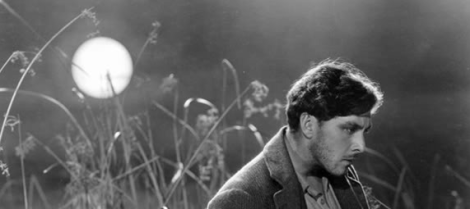
 The Long Take