
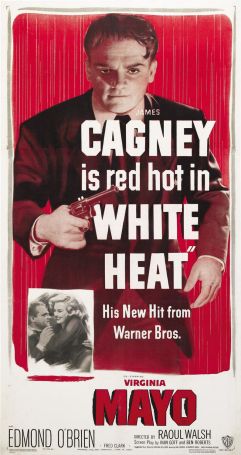
 Raoul Walsh’s cold-blooded reptile of a late-period gangster picture finally stills itself only when the genre reaches its apocalyptic acme in the death-scented denouement, the fumes permeating outward off the screen. Even when the credits crawl, the film refuses to be dismissed. The title doesn’t lie – shards and splinters of visual and sonic phosphorous sparkle right into your eyes with infectious charisma – but the punch and gusto are also counterpointed by chills of loneliness and murmurs of exhaustion. Released in 1949, White Heat evokes a genre’s last gasp, a style ready for a nervous breakdown, bracketing staccato bursts of violence to harried melancholia to disheveled, droll comedy. Gone is the wiry little slugger of star James Cagney’s youth found in the likes of The Public Enemy, replaced instead with a self-worrying work that examines its own rat-in-a-cage tempestuousness and ultimately embodies a missing link between Hawks’ Scarface and the downright pernicious onslaught to come in Bonnie and Clyde.
Released in the US amidst a nocturnal procession of cloying, dead-in-the-water “social issue” films like Gentleman’s Agreement, Raoul Walsh’s film comes locked and loaded with enough cinematic ammunition and, crucially, enough self-doubt to slap that “moral dilemma” A-picture soapbox stuff right off its high horse by showing them a true masterwork of self-immolating, existential terror. It is perhaps the last film to truly explore that nervous electron known as James Cagney, here stoked into an atomically charged fault line. He charges like a bull in heat right for the screen only to discover the increasingly smaller box his way of undomesticated, rebel-charged life is subject to in the post-war age of rising suburbia. Continue reading
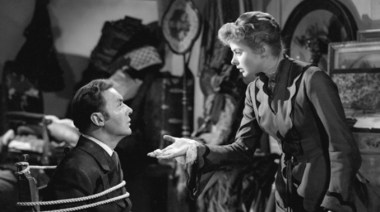 George Cukor’s slightly creaky but undeniably spirited psychological thriller is quite a bit more “potboiler” than it is willing to admit until the Guignol denouement where the old fuss-and-stuff middle-of-the-road “please Knight me now” respectability of the diction and mise-en-scene pounces right into the ditch where it belongs. A B-picture in A-picture threads, it’s only when it unstitches its chest-caving corset that Gaslight finally has room to breathe. Which is to say: Gaslight is a little over-determined and too dignified in its prestige-pic wax to embrace the deliriously illicit trashiness at its core. (De Palma has essentially remade the film three dozen times, and while that statement may be hyperbole, how does one tackle De Palma without exaggeration?). Old Hollywood smut can be oh-so-gallant in its strewn-from-the-gutter and out-on-the-edge charisma when it just smacks some of that musty old regal upbringing right out of its properly-dictioned self. Yet Gaslight, while often killer, spent a little too much time in finishing school, dotting its I’s and crossing its T’s, and not enough time out on the streets learning how to play in the dirt where its heart truly lies.
  A little old-timey cartoon before a feature for you all.
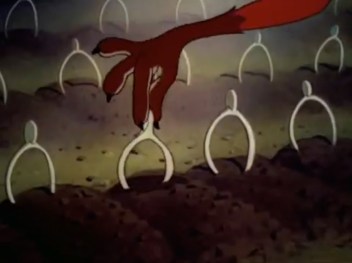 Chicken Little
 I know the post is a little late, but at least I managed to watch these films on Halloween.
 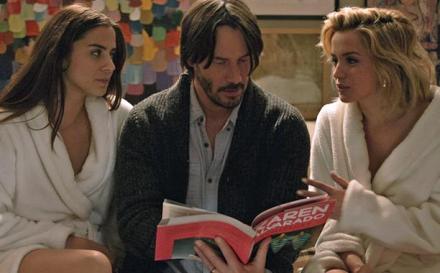 I know the post is a little late, but at least I managed to watch these films on Halloween.
  The Long Take