
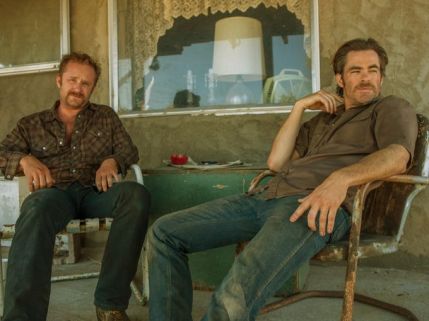
 A sidewinding chase of sorts is the initial diagnosis in Hell or High Water, but Taylor Sheridan’s screenplay simmers everything way down with an atmosphere of squalid, ruined disenchantment. Two bank robbers – Toby (Chris Pine) and brother Tanner (Ben Foster) – are on the warpath, and Marshall Marcus (Jeff Bridges) is in pursuit. But Sheridan and director David MacKenzie are anything but acolytes of the placeless rip-roaring we might expect. When the film opens, we’re expecting a coiled king snake, and for a little while we’re on a locomotive to the inferno suggested by Sheridan’s previous screenplay for Sicario. But look again and the snake is actually roughened snakeskin, a bitter remnant of a venomous past life orphaned on the roadside, and if the train passes by too fast, we’ll gloss over the faded glory of that emblem of a once-living soul. Continue reading
Review: Hell or High Water
Leave a reply
 Horror is, on balance, too often event without mood, murder without mayhem, slashing bodies without slashing the cinematic edifice, and In the Mouth of Madness’ round dismissal upon release in 1995 suggests only that audiences and even critics aren’t always ready for a film that prefers the latter(s) over the former(s). The “murders” in this film are largely structural, formal, visual rather than diegetic to the narrative. Bodies don’t fling from hooks or fall from trees; the film’s victims are, instead, classical Hollywood constructs like continuity editing and linear narrative, both ideologies the film disposes in the garbage on its path to visual pandemonium.
  The Coen Brothers embark to, and dust off, their old lighthouses with Burn After Reading, and they shine a flickering light flickeringly. By which I mean the film and the characters are flickering lights, prone to momentary inanity and batty flights of self-destroying fancy, and that the film itself is only capable of glimmers of mastery in channeling its own insanity and evoking the modern-day screwball the two-headed director so effortlessly massaged earlier in their career. That, and the film is frankly blinded ever so slightly by the fluorescent rays of No Country For Old Men right in its rear-view mirror, lights which simultaneously shine too brightly and leave such a fractured, gloomy overcast ion storm in their wake for Burn After Reading’s spirited but sort of flaccid light to lead the way through the treacherous waters of expectation. There be monsters here, but they’re barracudas compared to No Country’s shark swimming circles around them.
 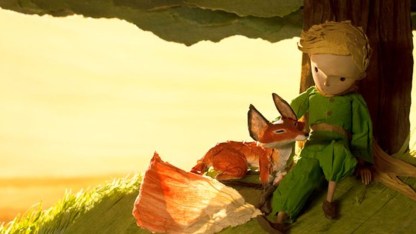 Most animated films are diversions, a word that can reflect insurmountable heights or pitiful nadirs depending upon the film’s free-wheeling, impish willingness to let their own inner-ids loose in the world and kindle “diversion” into a kind of liberation-incarnate. The lion’s share of these films, however, opt for a mere ephemeral surface of id camouflaging a hollow core of narrative conformity. They’ve massaged wishy-washy energy into a corporate sweet science, inlaying just enough momentary energy to achieve a slick, corporate sheen of pleasure without actually over-stimulating the momentous kinesis to the point where it approaches a threat to the status quo.
  Rough-hewn and reticent, Jeff Nichols’ Midnight Special might inspire expected memories of Steven Spielberg’s and John Carpenter’s late ‘70s, early ‘80s science fiction films, but only if they were caught on the branches of a David Gordon Green feature. Evoking rustic pastoralism and never erring from Nichols’ customary Southern expanses, the feints toward the supernatural hardly suggest genre sell-out for a director who continues to mutate and evolve his perennial cinematic acts of high-tailing from urban (and suburban) civilization. Exploring the out-of-the-way places Nichols calls home, Midnight Special’s variant of “alien civilization” isn’t found in outer-space or the far-flung future but right in American backyards. If you know where you’re looking of course, and, say what you will about Nichols, but he not only knows the spots, but he’s got an eye on him.
 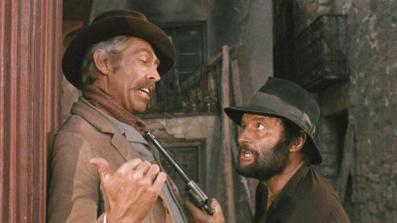 Four classics or near-classics into his career, the commercial bottom fell out of the Sergio Leone’s style, a salivating roux of lyrical, iconographic imagery and blistering aural sorcery that elevated the Wild West to the woolliest of opera halls. Released to choruses of conundrum and popular disinterest, audiences in 1972 brandished their confusion toward Duck, You Sucker! like a weapon and proceeded to fell Leone’s savage beast, banishing it to the cesspool of cinema. Which was a sure-fire come-down for a man who “did” more with the structures and iconography of the Western genre than anyone else during the ‘60s. Mere years beforehand, he’d released four indomitable works that channeled the Western into both John Ford’s rhapsodic register and Anthony Mann’s hoarse, wiry, more brutal variant of the genre. Leone’s films were alchemic, concoctions of classical A-pictures (in tone, length) and B-style hip-shooters (in mood, feel, texture, purpose even), and they were unstoppable.
 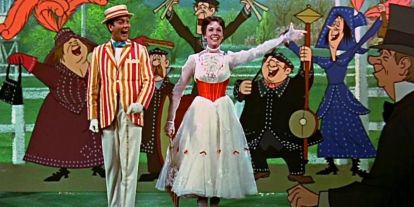 With yet another live-action update of a Disney classic searching for a port in the storm this past weekend, I wanted to take the opportunity to review the beginning of the Disney live-action project. Not the for-real beginning proper, mind you, but the first time a live-action Disney film meant much more than a paycheck.
  If Nicolas Cages’ battered, displaced ennui in Vampire’s Kiss implied anything about Cage’s messianic ability to incarnate an entire city’s mortal fever in his very body, it’s that he really should have starred in Martin Scorsese’s After Hours instead (the previous film from the same screenwriter). Ten years after Kiss, Bringing Out the Dead fulfills the prophecy. Etching moral quandary and personal quagmire, as well as mythic grime, out of the streets of New York City, Bringing Out the Dead finds Scorsese returning to his home turf, with his home turf writer Paul Schrader, in a film that feels like an extension and perversion of their galvanic 1976 social screed Taxi Driver.
 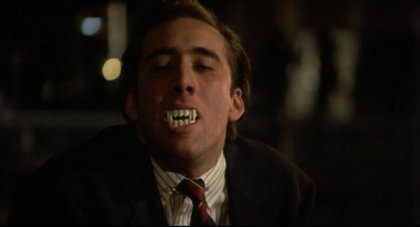 You wouldn’t know it from the film’s iron-clad second-life reputation these days as the butt-end of a joke in internet compilations of Nicolas Cage losing himself to convulsions of life-panic, but there were, in fact, other people in the room when Vampire’s Kiss was being made. At the same time, the black hole of Cage’s performance sucks in any and all vitality from the production elsewhere, energy no one else seems to have exerted in the first place. But if this is Cage’s Vegas one man show (much more than Honeymoon in Vegas, or Leaving Las Vegas even), the birthing pool of the film remains writer Joseph Minion. That’s a name you probably don’t cotton to immediately, but he’s famous in screenwriter and cult object circles for writing After Hours, a film picked almost at random by Martin Scorsese when the production of The Last Temptation of Christ screeched to a grinding halt.
  Director Josef von Sternberg’s second to last picture with partner-in-crime Marlene Dietrich doesn’t waste any time laying it all out on the table. Preempting Citizen Kane by seven years and (and several orders of lip-smacking stylistic magnitude), the film systematically announces its outré structures for us, essentially “teaching” audiences how to view it, with one fell, frenzied maelstrom of uninhibited style. A sleeping child, Princess Sophia of Germany, experiences a view-askew omen of her future destiny and power, but it is the film that asserts itself onto her – and us – in a baroque, tangled edifice of dissolves and swivels of imagery as the girls’ future is compressed into an abstract slurry of imagery, a swamp of paranoia. Sophia’s doll, passive and innocent, cracks into the suggestive malice of an iron maiden, a very different kind of toy, loosening the cinematic channels toward a montage that concludes with a man whipping back and forth in a frustrated ricochet tied to the rope within the bulbous enormity of a bell, an object interrupted by a now adult Princess Sophia undulating on a swing-set. Her suggestive hoopskirt replaces the circular bell in the frame as a new kind of weapon, or, at least, it will mushroom into a weapon over the course of the film. But already von Sternberg has weaponized her body, and the camera, into an agitated fury as a premonition of future pain and punishment dissolves into, essentially, a shot of this woman’s loins in full-tilt, implicitly foretelling her control over the pain ushered out later on.
  The Long Take