
This week’s pair of Midnight Screenings will return us to the far-flung past of 2006 and 2007, a more innocent time in film history …
It is quite possible that Richard Linklater is the only currently functioning director who really could have directed A Scanner Darkly in the fidgety, twitching tone it so desperately begged for, and thus it is a little bit of magic that he managed to acquire the film at all. Firstly, this is because Linklater, the homegrown Texan with an eye for slacker culture and the distance imparted by time and memory, strips away the science fiction trappings from Phillip K. Dick’s story and renders it all the more pressingly intimate in doing so, without ever sacrificing the essence of the novel about drug abuse and melancholic social anomie. Which is itself important; so many science fiction films rationalize themselves by claiming they are necessarily informing us about the weight of a current world crisis, but as many other Dick adaptations show us, they frequently devolve into glorified techie action flicks. The science becomes a diaphanous masquerade, a meager attempt by a film to convince its audience of its intelligence when it offers nothing but pyrotechnics and quasi-futurism. Linklater doesn’t need a trip to the future; he creates a piercingly grounded tale about trips of a different variety. Continue reading

 Edited July 2016:
 Update June 2019: Another watch-through in light of the internet love for Keanu Reeves these days, and I still find Bill and Ted’s earnestness and innocence, their undying and seemingly unawares appreciation for a way of life that doesn’t even seem to register as a choice for them, to be ludicrously intoxicating all these years later. Sometimes this works to the film’s detriment: almost none of the scenes where Bill and Ted themselves aren’t on-screen work at all. Still though, the slightly elegiac tone that undercuts the otherwise spirited slapstick fracas is the real surprise here. The year-long delay in the film’s release date practically stamped it as a time-capsule of a bygone era even for its initial audience, and that sense of wistfulness is perhaps more evocative today in light of rock music’s own existential conundrum just two years after the film’s release (when grunge melancholy soundly ripped hair metal earnestness to shreds). Bill and Ted’s Excellent Adventure feels less like a time capsule than a dream that seems to know that its own era is already passing, and for that reason, it can’t but refuse to admit its own premature burial in order to salvage its soul and preserve its sanity.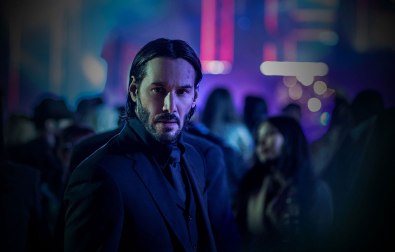
 The Long Take