
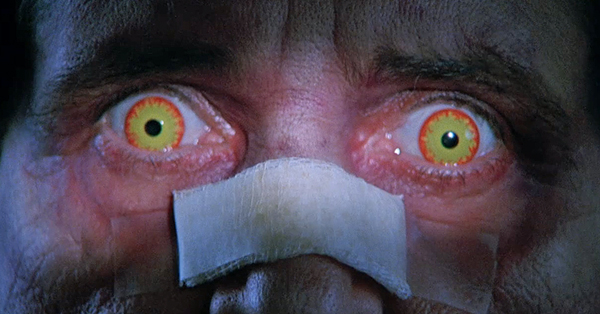
Lord save The Exorcist III. While never succumbing to the dark depths that suffered John Boorman’s delirious 1977 The Exorcist II: The Heretic, writer-director William Peter Blatty’s 1990 attempt to salvage his beloved franchise from the mismanagement of other voices fared little better among critics when it is released. While William Friedkin’s adaptation of Blatty’s original book The Exorcist was a truly epochal zeitgeist hit in 1973, a refraction of social backlash to the free-wheeling ‘60s, Blatty was always uncomfortable with Friedkin’s quintessentially ‘70s quasi-nihilistic hopelessness. Following Stephen King’s own famous critique of Stanley Kubrick’s demonically beautiful adaptation of The Shining, Blatty took it upon himself to reframe the film franchise that was surely his greatest claim to fame, turning it into what he’d always intended it to be: a beacon of light in the face of unmitigated evil in the world. Suffice it to say, the resulting film wasn’t what audiences or critics, deeply enmeshed in post-Reagan era cynicism, wanted.
Friedkin’s original The Exorcist, despite barely resembling his other films, is unmistakably the work of a man who was fascinated with psychic, social, and cosmic forces assaulting porous bureaucracies and systems in crisis. The deeply disturbed Exorcist II: The Heretic, a cosmic fracas of late ‘70s entropy as the decade tried to figure out what it was up to, was simply a psychic force all itself, not a film with something to say but an energy with designs on our consciousnesses. While Friedkin was a skeptic and Boorman a crank, Blatty was a zealot. Gone from The Exorcist III are Friedkin’s muscular mercuriality and Boorman’s psychedelic maelstrom. Instead, Blatty creates a comparatively unambiguous, deeply sober examination of the potential for evil in the world, a film that could for all intents and purposes be called simplistic, even “square.” But this is certainly not for lack of trying. The Exorcist III was released during a remarkably unimpressive few years for the horror genre, and, whatever else it does or does not do, it is certainly the work of someone seething to unleash something upon the world.
Continue reading
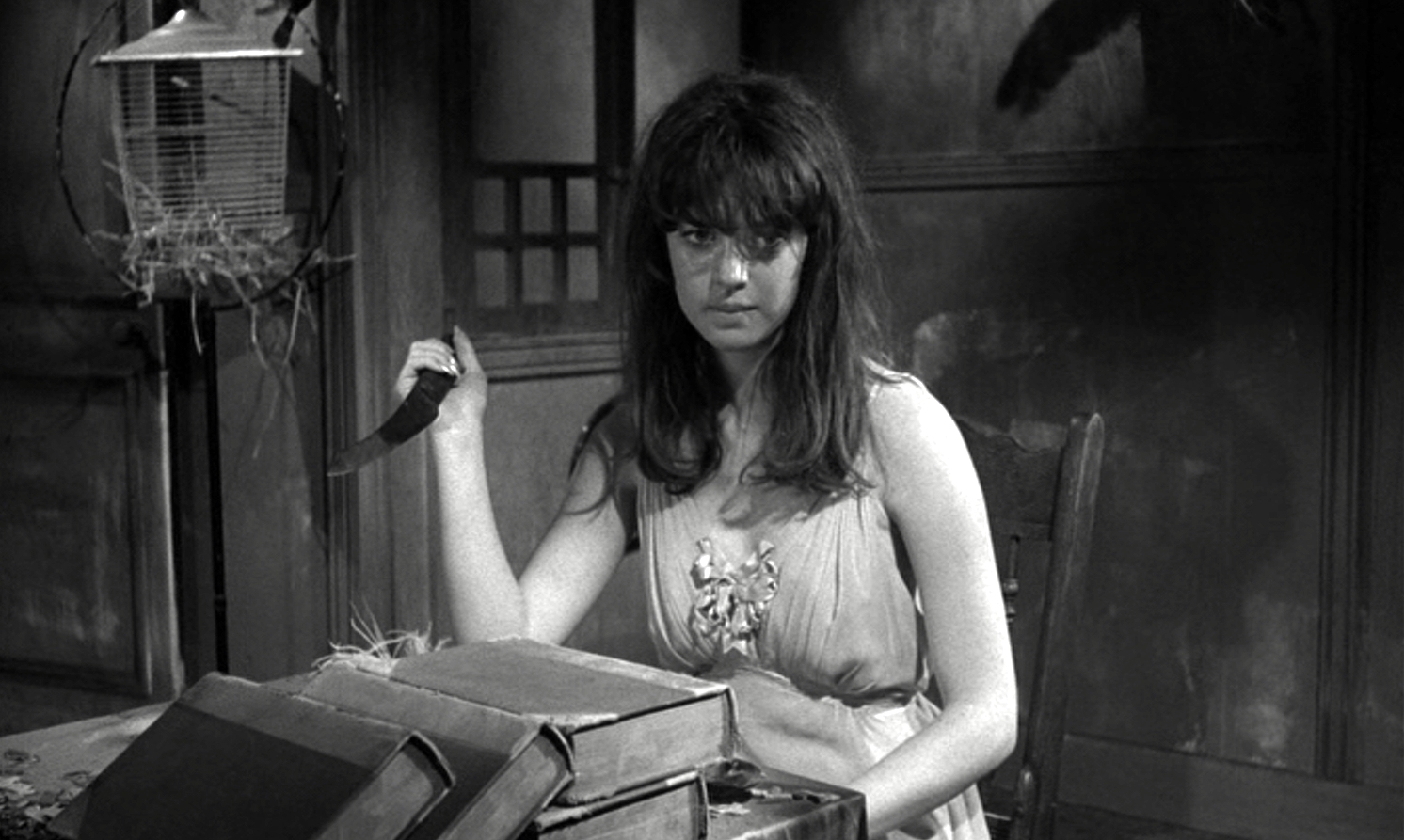 I meant to get this out a month ago for Halloween, but here’s a (delayed) review of one of the great, deranged, unsung horror classics of 1968, and one which by virtue of totally refusing to put its finger on the pulse of that year, seems to encapsulate it all the more so.
  I originally wanted to write this up in reference to the release of Craig Brewer’s My Name is Dolemite next week, without even realizing the highly appropriate irony that the last (only?) great Blaxploitation film was released almost one decade ago to the day.
 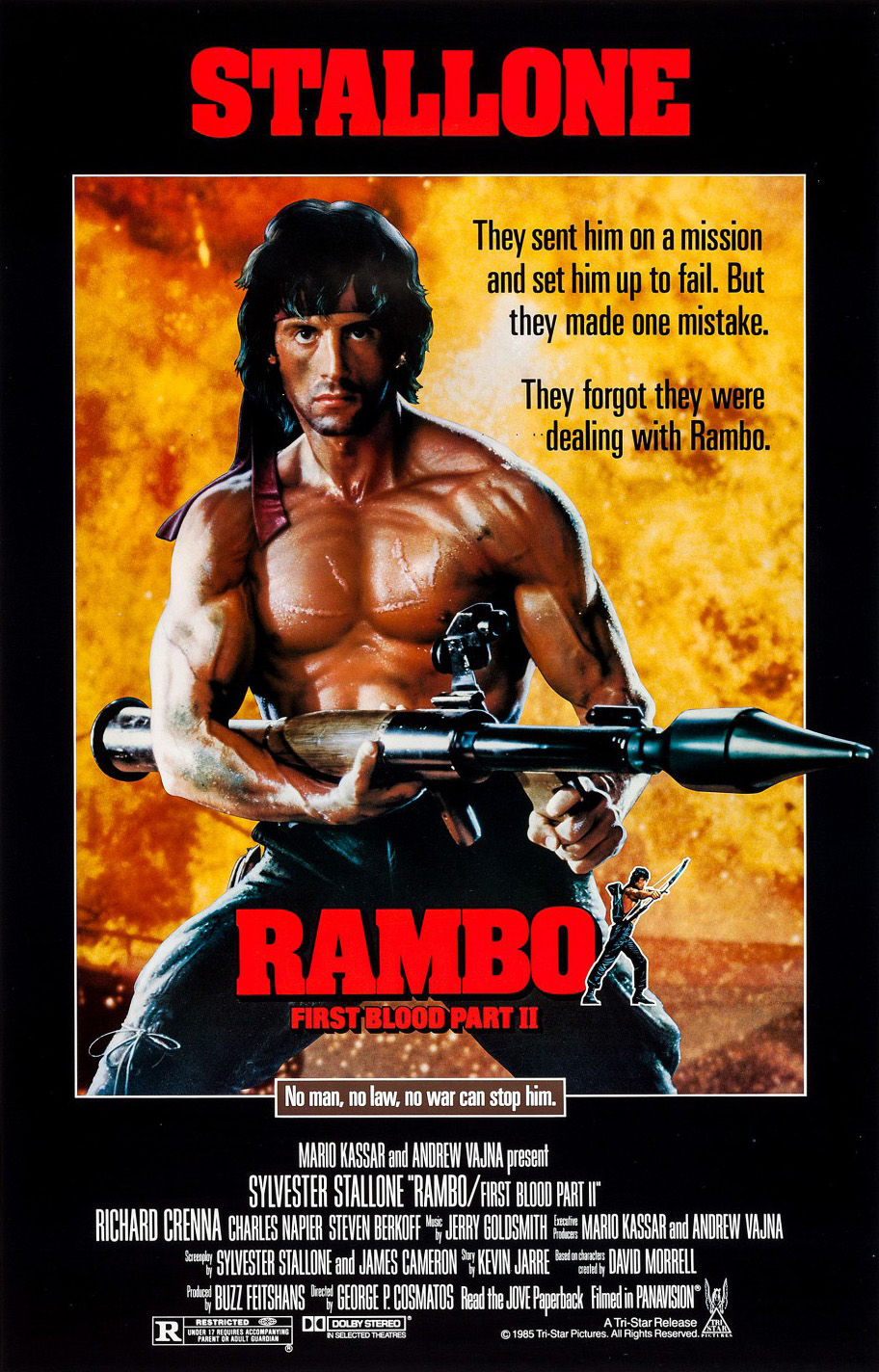 Neoliberal American aimlessness is recoded as anticipatory national fantasy in Rambo: First Blood Part II, a film that both thoroughly disgraces the legacy of its progenitor and perversely fulfills the dormant desires which may have animated many viewers’ affection for the original character. That original film envisioned Stallone as a bruised dog. He was as inarticulate as any of his other characters, but his motor-mouthed struggles were construed less as a function of a screenplay disconnected from humanity (as in, say, Cobra) and more as a theme: the result of a nation and a man unable to vocalize their severe trauma and societal disaffection. The original First Blood, then, was a fairly doleful thriller about unmet expectations, a thoughtful meditation on American lapses that framed the US’ involvement in Vietnam as a national aporia that not only chewed out and spit up the soldiers but cast the whole nation adrift, leaving it to wander a moral wilderness.
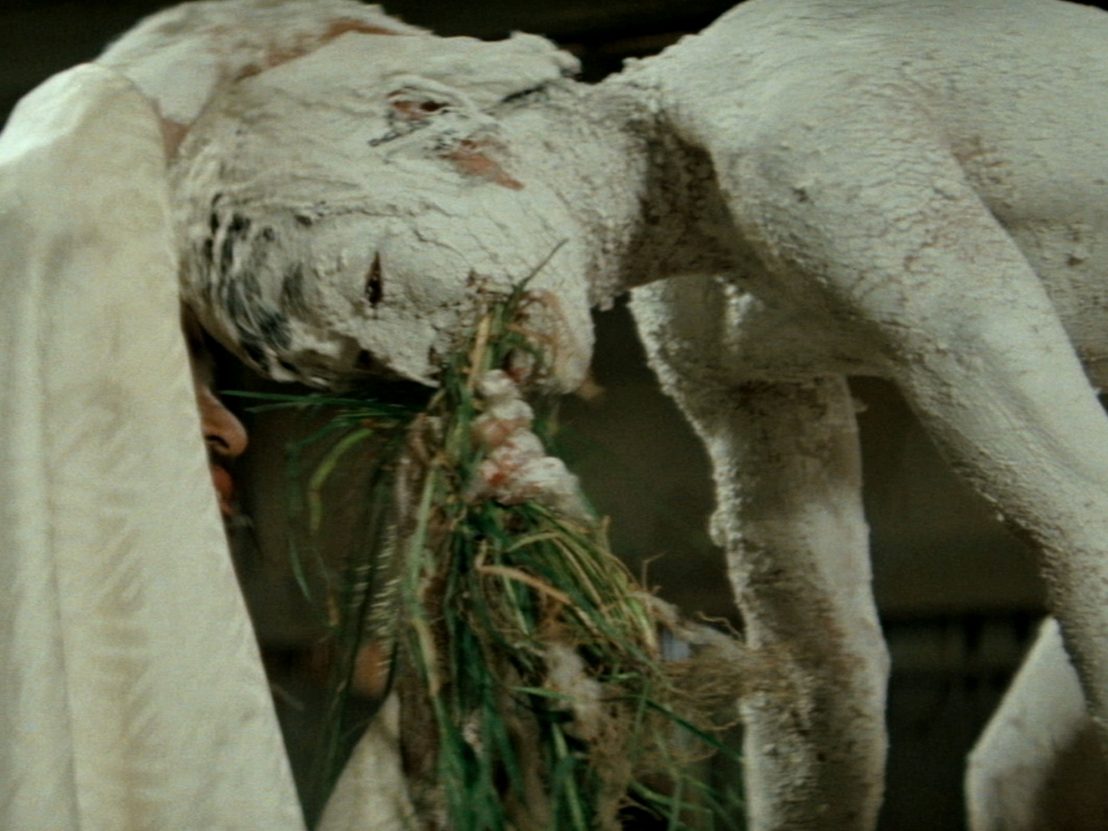 Many self-consciously “weird” motion pictures expend energy and time establishing a stable sense of cinematic self that they will only then destabilize later on, tweaking the style several notches south of sanity as the film progresses. Horrors of Malformed Men lathers the surrealistic absurdity on thick from the first shot. It introduces us immediately to a thoroughly dismembered reality, a cinematic hall of mirrors that finds us wandering into a B-movie and discovering a metaphor for Japan’s mid-century dreams of paternal control, familial destiny, and authoritarian anxiety, all (appropriately) malformed into a kaleidoscopic nightmare. The subject of the cinematic allegory? Deluded men working at any cost to recreate their lineage and preserve the fragile illusion of a linear, biologically-sanctioned family hierarchy.
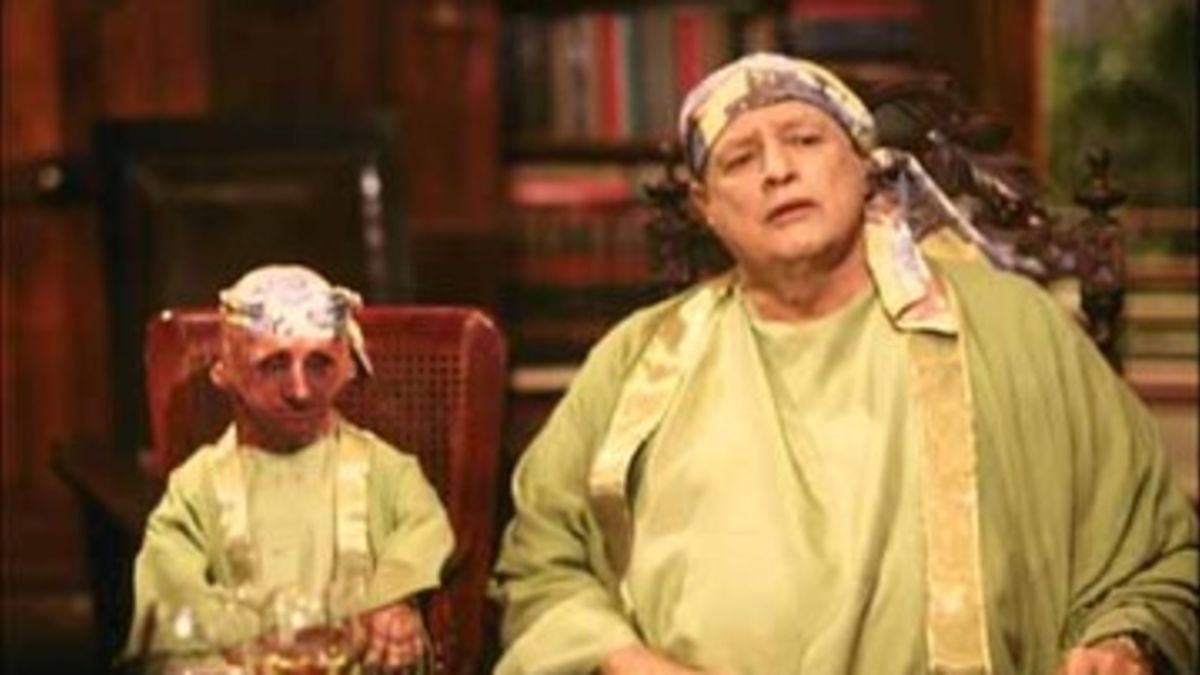 In honor of the release of Colour out of Space, the new Richard Stanley-Nicolas Cage-HP Lovecraft film (what a wonderfully demonic cinematic Cerberus that is!), I decided to look back at Stanley’s last film, a full 23 years ago. Let us hope that his new attempt at channeling the deranged spirit of century-old pulp literature and tearing open and excavating the most demented corners of the cinematic void don’t render him victim of that void, unable to find his way back, for nearly a quarter-century, like they did last time.
 Bruce Lee is rather unceremoniously written-off in Quentin Tarantino’s new film, which I finally saw and thought was otherwise terrific, but it seemed a little counter-argument was necessary for Midnight Screenings this week.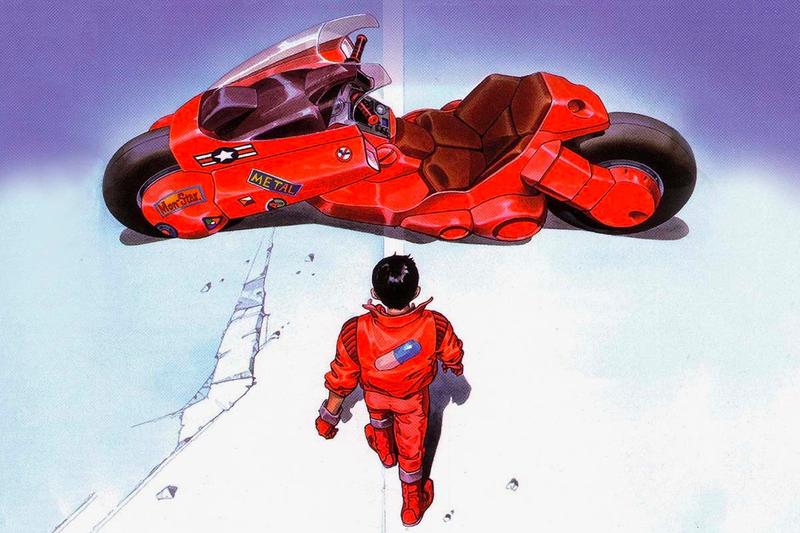
 The Long Take