
 Billy Wilder was on the hottest streak of his career in 1961, bucking the end of the studio era with two masterpieces of vigorous, and vigorously perfect, cinematic scab-scratching, 1959’s Some Like it Hot and 1960’s The Apartment. Both were films rooted in the classical Hollywood traditions of vertiginous pithy screwball comedy and intricately calibrated deep-focus drama, and yet both sneaked in their own silently naughty slices of screw-the-censors panther-wit, be it the deliciously filthy physical gestures lying dormant in Some Like it Hot or the venomous wordplay of The Apartment, a film that also managed to smuggle a visual ejaculation reference past the censors in 1960 (as diabolical in its own way as what master of the macabre Hitch managed to do with Psycho the same year). Continue reading
Ford, Hawks, Wilder: One, Two, Three
Leave a reply
 7 Women
 Quentin Tarantino’s The Hateful Eight boasts the most memorable opening shot of any film released this year, and arguably the most beguiling, contrarian final one. The three hours of fervent, bellicose celluloid in between veer from passionate ax-grinding to lazy-day wheel-turning, from crystal cinematic clarity to dynamically befuddled, wanderingly confused filmic indulgence, and from great to merely passable. The Hateful Eight is very likely the least uniform film Tarantino has ever made, rising from clandestine peaks to overbearing valleys with split-second timing and not one ounce of diffidence.
 Perfect isn’t everything. In the annals of the cinema of 2015, some of the most startling films – Mad Max: Fury Road, The Assassin, Anomalisa – defy and deny perfection by their very experimental nature. They construct cinema out of uncertain girders and alien cement, and (especially with Mad Max) the ferocity and ambition of their go-for-broke aesthetic playfulness necessarily entails a certain wait-and-see imperfection around the edges. They are films that, at some level, are simply figuring things out. Some of these films are more challenging and rewarding cinematic tapestries precisely because the tapestries feel unfinished (picture the way that the characters in Anomalisa wear the claymation seams in their faces like markers of artifice in their personality). Anyone who wants these tapestries completed, and thus strained of their unique ambitions, may suffer from a mundane case of cinematic milquetoast.
 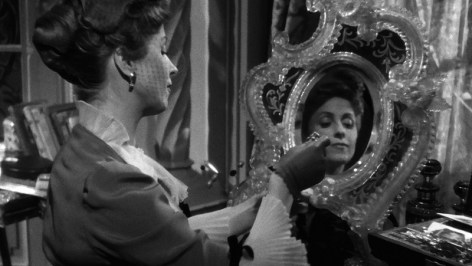 Max Ophuls’ luxuriantly mordant elegy The Earrings of Madame de … is, above all, a deeply generous film to its audience. Admittedly, it’s something scathing screenplay might suggest otherwise, and some of the most carnivorously self-devouring mise en scene in the entire history of cinema adds insult to injury for an audience expecting the formal niceties of realism. But Ophuls’ film, as deliriously dense as it is, doesn’t ask us to guess. Ophuls was a fervent maximalist of an auteur, gripping the screen in his haughty, hyperbolic hand and refusing to let go, but he was not vicious to his audience. His 1953 film is a formal masterpiece of gleeful clockwork where every slice of the cinema, every ounce of the frame, is carefully calibrated and painstakingly repurposed for the audience to dance with, but he lets us have his purpose in a handbasket right from the opening scene.
  Return to Oz
 The Long Take