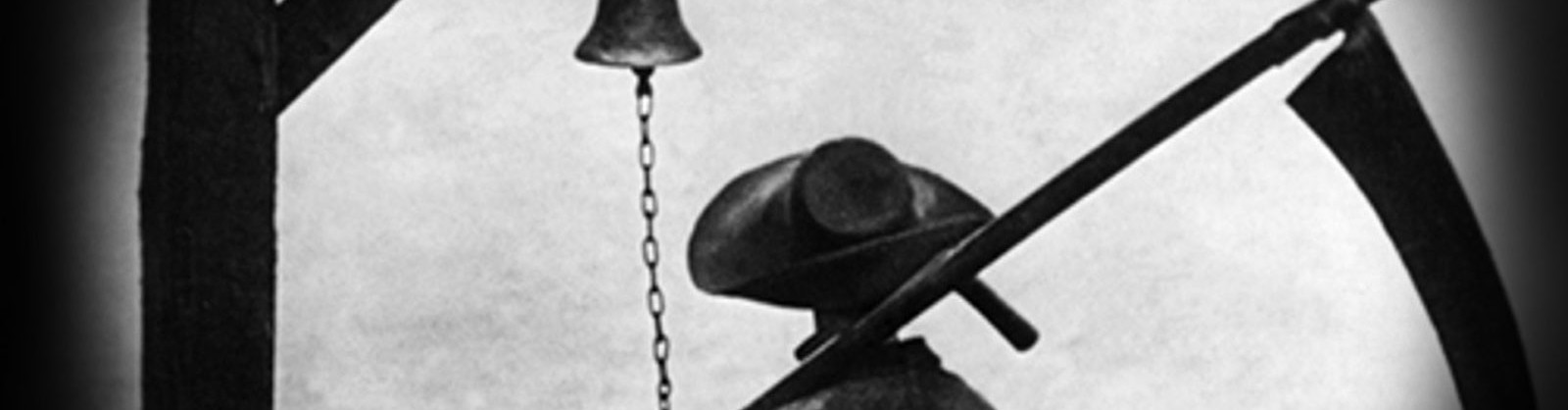
 Primeval as a statement of boundless agelessness rather than failure to modernize, 1933’s King Kong is not only a pugnacious B-picture but a semi-tragic story of showmanship begetting exploitation, ostracization, and essentialization, a film carnival-barked with the panache of a showman. 85 years of technological advancement have streamlined and committee-scripted and audience-tested film form to within an inch of its life. But none of it replaces the personalized terror and fabricated glee of discovery in this original motion picture, which unfolds almost in an imaginative stupor, liberated from the inhibition of pleasing the maximum number of people. Even its broken patches, it mistakes, its tentative hunger for more than it can achieve all make it feel like a wistful construct of the collective imagination and desire for adventure, a work trying to discover something new even if it can’t achieve it. That ambition, in a modern era where all films must be tested so that they don’t feel fake, reminds us of a dream or a nightmare rather than a pragmatist’s admittance of defeat by having to conform to its audiences’ conception of reality. Continue reading
Golden Age Oldies: King Kong
Leave a reply
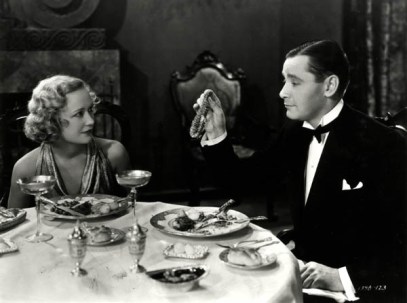 Effervescent without being schizophrenic, smutty without being smug, deliciously nasty and provocative while also intimating a deceptive, lithe maturity about sex as a simple fact of existence rather than a puritanical capital-O Occurrence, Ernst Lubitsch’s Hollywood acme may be the most suave film in existence. Perilously intimating both the value of external pleasures of the world – which for Lubitsch includes the vices we imbibe in and the identities we wear – and the peril of self-satisfying excess, Trouble in Paradise is a smorgasbord of misconception and perspiration.
 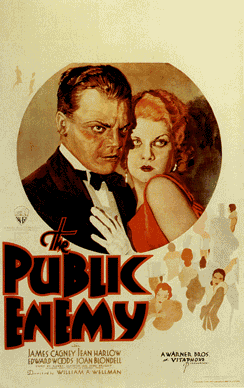 Another short-time series that is more or less the utilitarian progeny of me needing to review more old films. Over the next couple of weeks, a review (or two half-reviews) for each year between 1920-1935. Because I’m me, don’t expect a chronological order. Things will be more impulsive.
  Let’s just say I think the reasoning for this one speaks for itself.
  The Black Dahlia
 Warcraft
 A deep-water jambalaya of reptilian-brain sexuality, harebrained violence, delinquent cinematic disdain for social propriety, racial conflagration, and sensual tension overflowing in spurts of human combat, it is entirely fitting, and entirely Buñuelean, that one of the Spanish directors two meager English-language films manages to explode with traumatic awareness of American cultural disjunction better than arguably any other American film. A three-character barbecue of sun-scorched, humidity-flaring raw flesh left out to burn, the director’s foray into American racial and sexual politics is a political study only insofar as it slithers into the political found in the everyday terror of fighting for your life. This is no lecture, no dissertation on this director’s part; this is fetid, pungent, even foolishly carnal backwoods trauma of a corporeal, violently direct nature. It’s racial politics as out-of-the-frying-pan-into-the-fire nightmare.
 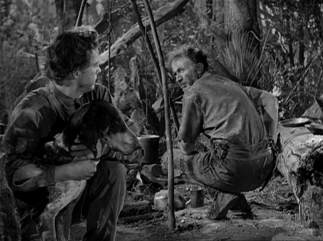 A bit of a pocket interest this week on Midnight Screenings, with two instances of foreign masters exploring the thick, sickly world of the American Southern Gothic.
 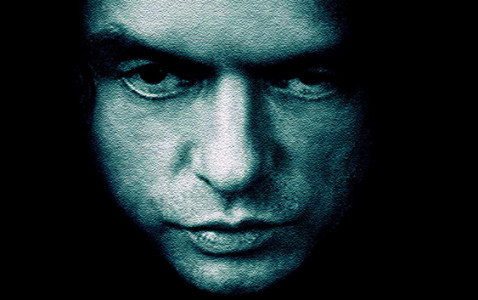 Singularly united with everything from avant-garde art cinema to particularly slap-happy children’s television in its haphazard deconstruction of normality, Tommy Wiseau’s The Room is awful, but it is much more than mere irony. A textbook case in the value of logically inept cinema, The Room hedonistically exists in a state of blithe, blessed-out surrealistic irrationality, boldly and provocatively plunging forth without inhibition into a realm of new human possibility. Whether intentionally or by accident – and indeed, the intent of The Room has been the stuff of bad movie legend for many a year – this sort of implacably incompetent cinema is valuable not merely for cheap thrills but because, by buckling at basic competence and refusing to kneel before the platitude of human logic, it refuses to exist in a known or previously understood state. Rather than functioning obsequiously to modern society’s basic preconceptions of human action, rationality, and interpersonal relationship, Wiseau’s improbably disfigured creature joins many a great and many an awful film in daring to envision a ground-up reimagining of how humanity actually functions as a collective unit.
 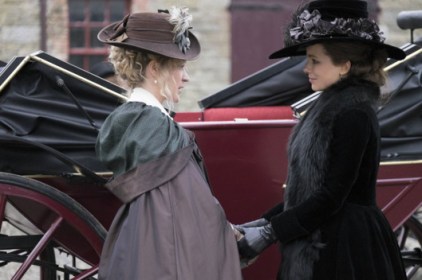 Love & Friendship
 The Long Take