
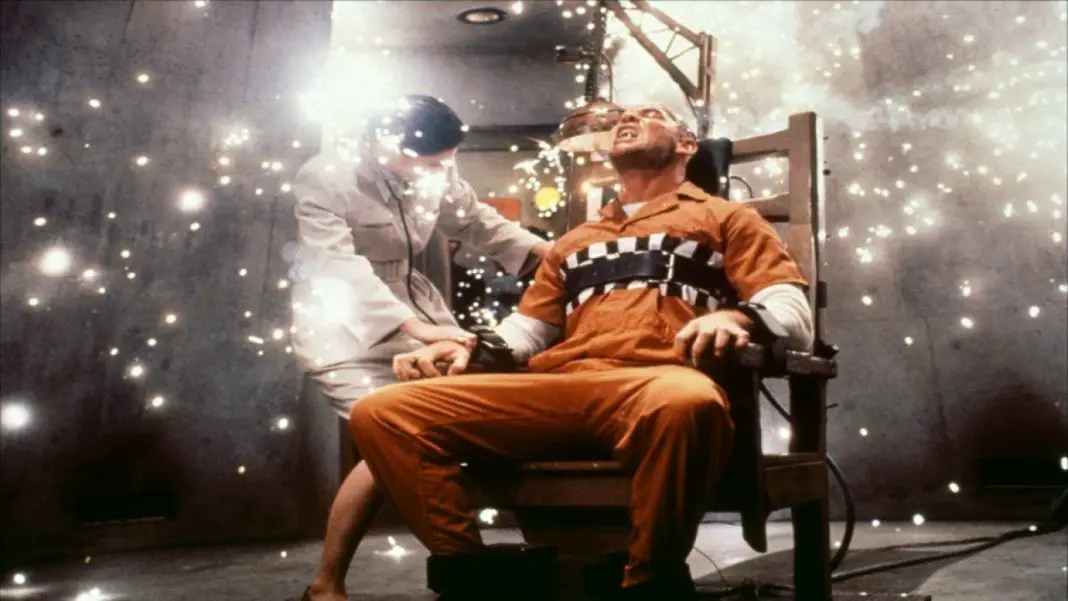
With the new Scream out in theaters, I decided to double-up Midnight Screenings this week and pair my exploration of the meta-critical Gremlins 2 (anticipating the new Matrix) with Wes Craven’s Shocker, his most unheralded exploration of media logic, and in many ways a more interesting and fearless work than his original, genre-redefining Scream.
Shocker is, to be clear, quite a bad movie by any reasonable standard. But it feels so perfectly and obviously like the film that writer-director Wes Craven, a philosopher who became a porn director who became a horror film director despite not watching movies growing up, wanted and maybe needed to make to show those bastards cannibalizing his beloved Nightmare on Elm Street franchise in the late ‘80s, that I can’t help but find it a worthwhile experience. If Nightmare explored main-street U.S.A.’s dark underbelly as evocatively in the mid-’80s as any director not named David Lynch did, Shocker clearly wants to interrupt its strange candy-coated offspring, the paranormal slashers of the late ‘80s, less through critique than entropic explosion. Shocker is no more narratively or thematically coherent than any of those films, but it goes far out of its way to make a virtue of its chaotic and inexplicable narrative logic, equal parts dream theater and surrealist televisual channel-flipping, that it’s perversely difficult to turn away from. Recreating the addled meta-logic of changing the TV channel, half asleep at two in the morning, this is supernatural slasher cinema run amok all over your eyeballs, fluid cinema’s revenge on liquid television.
Continue reading


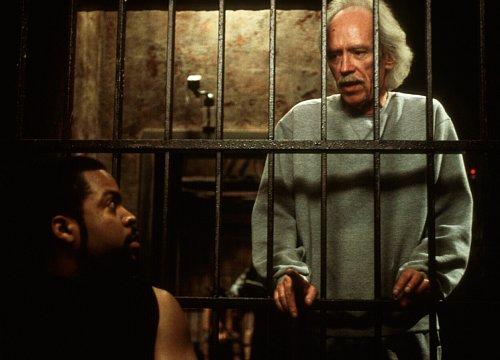

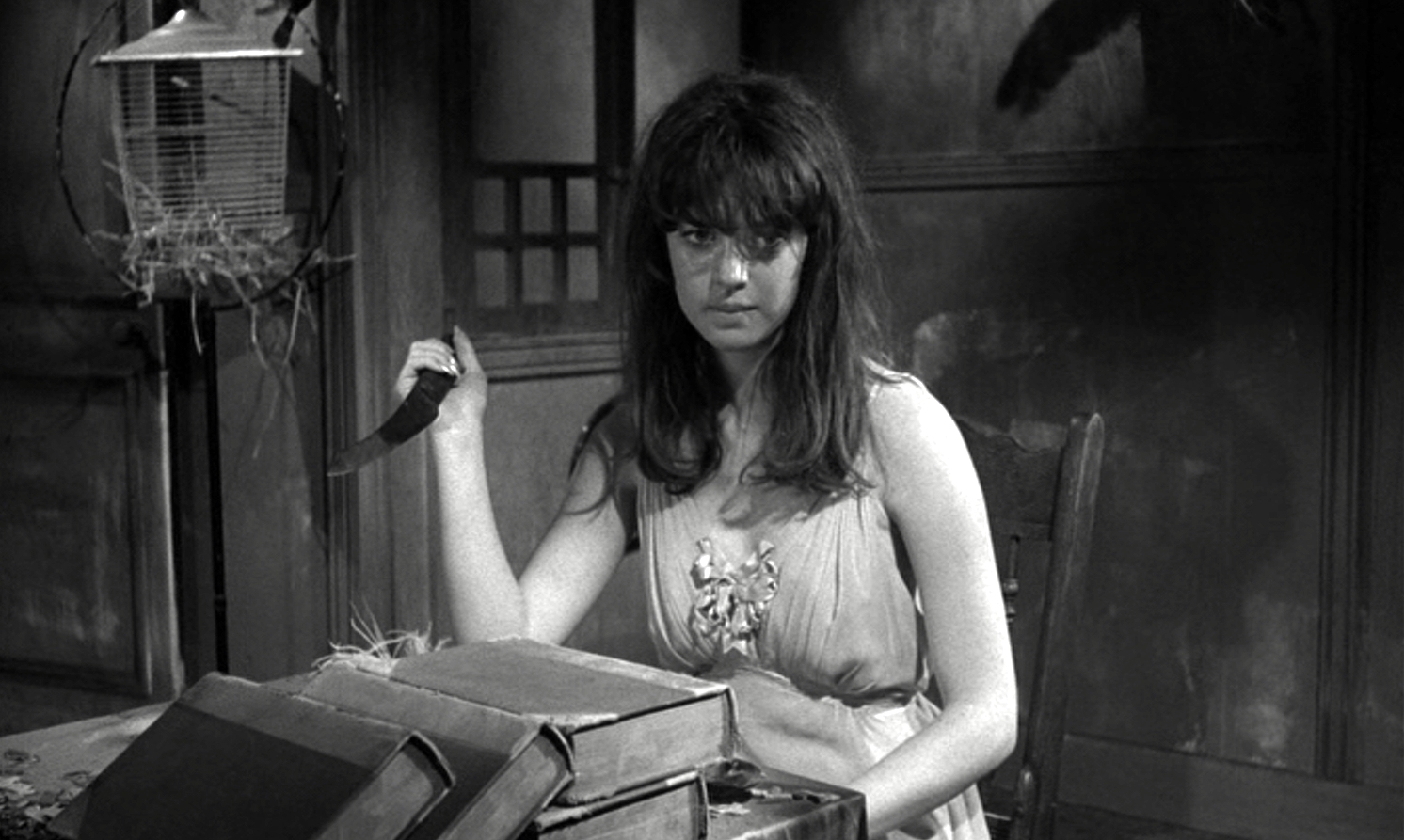 I meant to get this out a month ago for Halloween, but here’s a (delayed) review of one of the great, deranged, unsung horror classics of 1968, and one which by virtue of totally refusing to put its finger on the pulse of that year, seems to encapsulate it all the more so.
 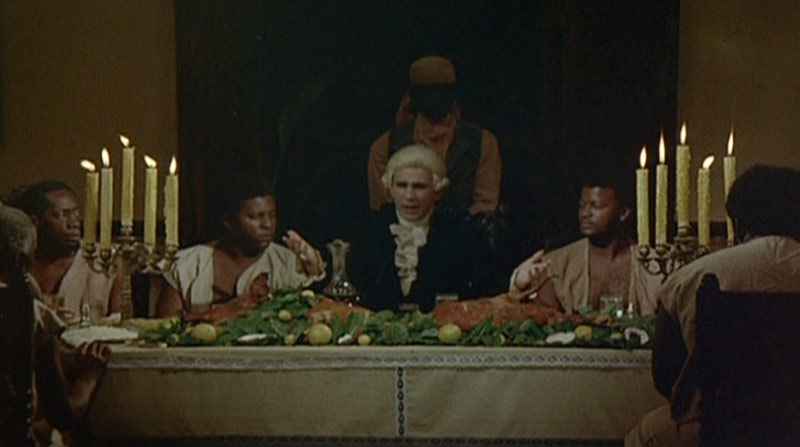 A classic of Cuban Marxist-inflected cinema, director Tomas Gutierrez Alea’s La Ultima Cena offers an intimate portrait of the paradoxes that arise when attempting to reconcile “Western” Christianity and slave life on the plantation. Focused on a slave master’s self-fashioned “benevolence”, La Ultima Cena examines how slave masters’ self-regarding visions of personal sacrifice – their collective belief that they were moral patriarchs sacrificing for their slaves in hopes of “teaching” them “civilization” – couldn’t but require them to engage their slaves in ways which sometimes invited the latter to announce their humanity through means the master wasn’t likely to want to hear. Alea’s film depicts slaves themselves debating real freedom on the sham stage of a master’s faux-freedom, pushing liberation’s meaning well beyond the pale of what their master could possibly imagine.
 No special occasion here, just a re-watch for a course, and because I haven’t updated the site in a few weeks.
  The Long Take