The unholy offspring of director/star Bert Williams, The Nest of the Cuckoo Bird is characteristic proof that a sufficiently minimal budget and a significantly disheveled orientation toward continuity can be indistinguishable from the avant-garde. The story of a government agent on the hunt for a serial killer in the Gothic swamps of Southern Florida, the film is about an inside man and a social outsider, a mainstream, corporate figure who is also, thoroughly, out on a limb. It is about that peculiar mid-century creature, the practical man of affairs, the kind of guy who is supposed to move ceaselessly between the center and the margins. And the film is such a creature as well. Released in that shady region of the art form known as the 1960s, after Old Hollywood had ceased to be but before New Hollywood had figure out what to do with the chaos, this is the kind of film that bears the imprint of so many definable cinematic types, yet feels like it can’t quite find a home in any of them. It feels like the wax drippings of several mannequins dressed in other film genres, or a strange, backwoods gathering ground where they each mingled and mangled and got lost in the swamp. In this miasmic post-noir, the ‘60s is a waterlogged mire that can’t quite remember what it could have been and can’t quite imagine what it could become.
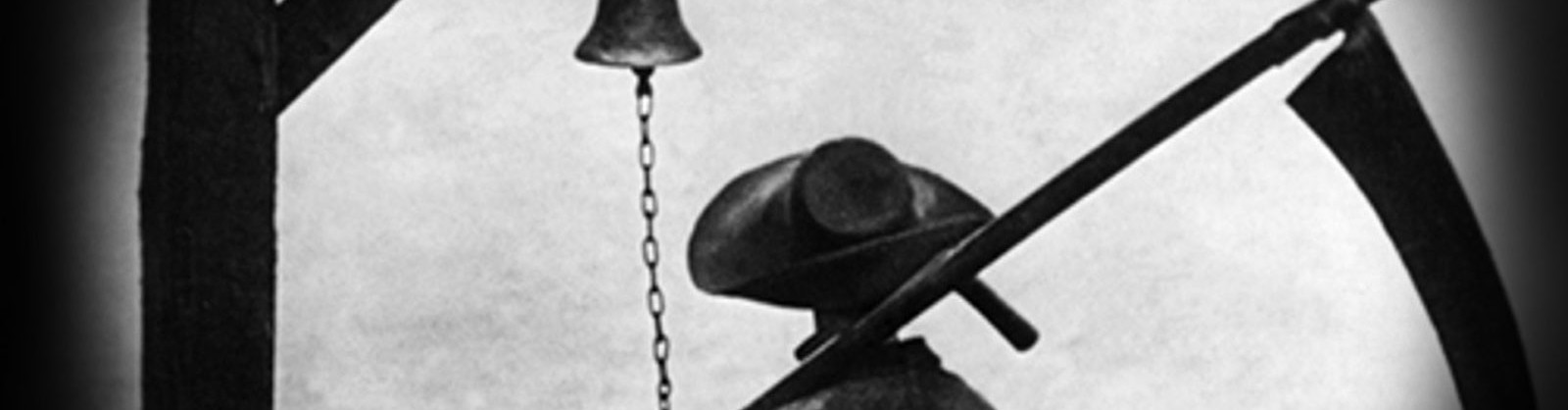
Within the first three scenes, Williams’s film has already traversed three distinct cinematic idioms, slipping from register to register without informing us, lost in a swirl of elliptical cinematic costumes. In the beginning, when our intrepid protagonist is given his assignment to go to the Florida swamps in search of a purported killer, we’re in grungy He Walked by Night territory, a film with a street beat and absolutely no eye, or use, for poetry. In the next scene, the final one before leaving for the swamps, the film transports us into pure Tennessee Williams territory, two lovers saying goodbye to one another, presented as statues tragically unable to find the right position for one another, bog bodies exhumed by the swamp to reveal the corpses of two spirits lost on their way to Hiroshima mon Amour. When the credits move us into the main action, the film turns, finally, into folkloric nothingness, a foggy dream of escape from nothing to nowhere. It recalls the specter of Dreyer’s Vampyr, of all things, as though the film is Charon moving us between life and death.
It’s a lot to take in, a film with many ideas and no real way of navigating between them. But, truthfully, the main character lays the film bare: “Searching channel after channel, looking for a way out.” He, himself, has major Michael Moriarty in Q: The Winged Serpent energy, and like that film, so obviously shooting in NYC without proper papers, this one similarly feels like a work of cinematic trespass, a permit-less text working without any boundaries. The protagonist is speaking not only about his plight but the film’s mode, a thoroughly indeterminate vector, moving “channel after channel,” signaling the weirdness of television static – the hot new commodity partially replacing older cinematic solidity – as though the film is flipping between layers of existence, losing itself in media res. A lack of momentum becomes a film trapped in an eternal recurrence, each of us like the toy dolls that show up later in the film, all unknowingly pulled on a string by channels and frames of mind we simply cannot understand. And it’s best not to try. The Nest of the Cuckoo Bird feels like a post-Old Hollywood fugue state, new currents from inchoate cinematic forms to come that Hollywood doesn’t yet understand brackishly swirling with half-remembered figments from older, forgotten cinemas.
The Nest of the Cuckoo Bird doesn’t even, like a good noir might, offer the clean binaries of light and shadow to orient our moral compass, of high contrast moorings that might signal safe ground, even if we secretly know the bottom will fall out eventually. Here, it’s all a dark smudge, an intrepid excursion into the indistinct. Light and dark no longer exist. The cinematography is smeared, suggesting a Southern Gothic fever dream where the light was left on a little too long. Each scene feels like it has been born in this very instance, without a past, a stray snatch of the world that extends for eons and yet would fall apart if the camera was just one inch to the left. The actors are all pitched at that weird, blurry realm where naturalistic and highly theatrical, unblemished and performative, gnaw at each other, like the camera is both not there and stealing their soul. It’s like nothing else, but it’s also the kind of thing you can only get in low budget ‘60s cult objects.
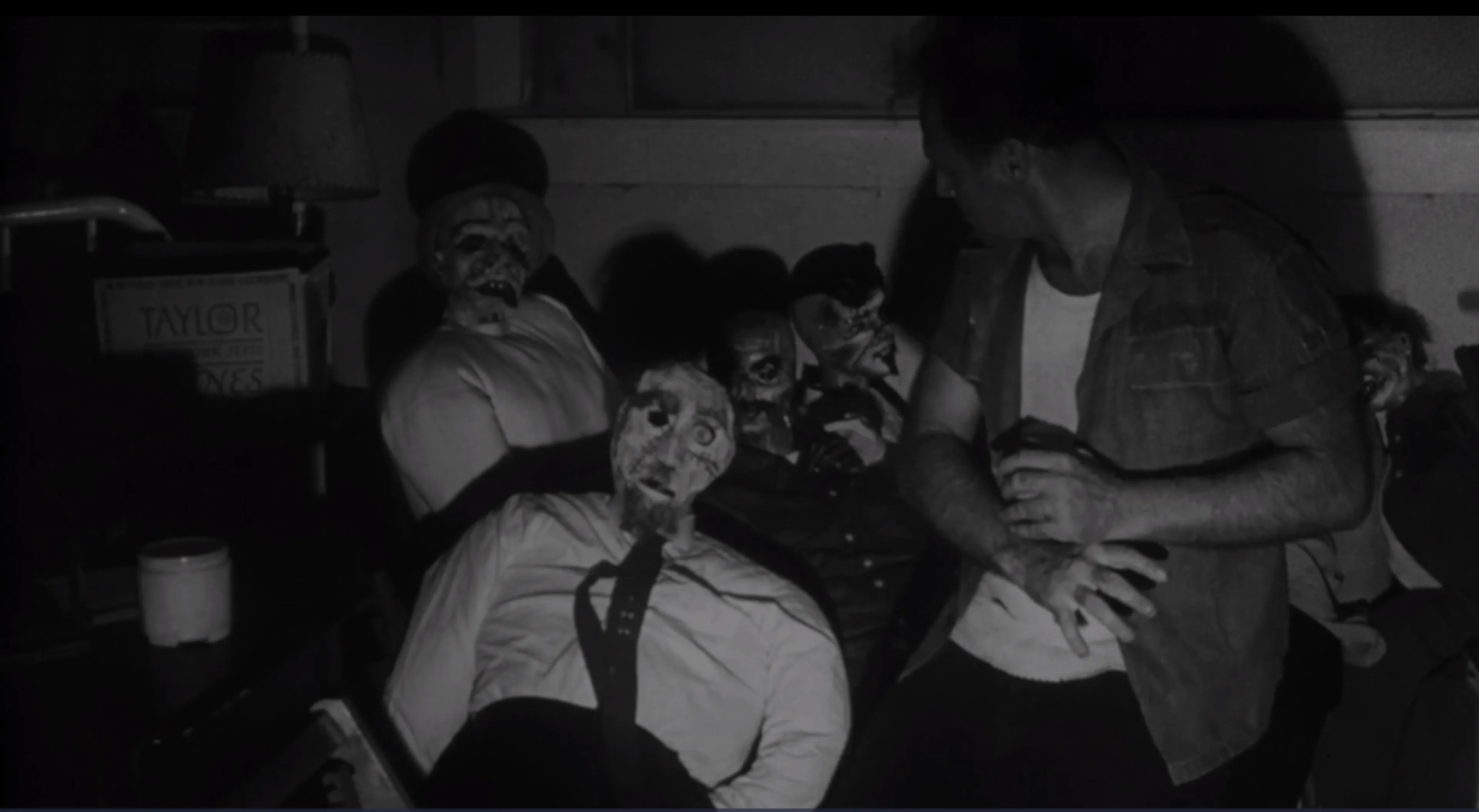
It’s all vexing and irksome, meandering in its own interstitial wavelength when we expect it to clarify, trapped in the muddiest regions of history. There’s a killer loose, we’re told, but why? And so what? There are no kill sequences, per se, nor moments of extended suspense. Something like a killer materializes occasionally, essentially out of nothing, and every time it completely shatters the film into still life photographs, shards of frozen terror, in which whatever had been going on, whatever motion had begun, is suddenly calcified into an impotent nothingness. The film leaps into the motions we expect here – kills, murders, violence – but it also ceases to exist, offering us what we demand and then denying us what we really want. There’s a vicious, serrated edge to these scenes, but also a nightmarish indistinctness, like rusty nails dissolving in still-water. Like the living death of the taxidermied animals, and the mannequins our intrepid hero stumbles on, the film embodies a primordial uncanny. It also turns the killer’s assaults themselves into mirror images of the lover’s embrace at the start of the film, the ambiguous negative of petrified desire, dark transmission of a swampy space and a cloistered inn that has warped everything into its opposite and thereby exposed it for what it was all along.
Score: 8/10
 The Long Take